Insider Compass
An expert assessment built on data, context and gastronomic judgement.
RECOGNITIONS
About Udon Shin
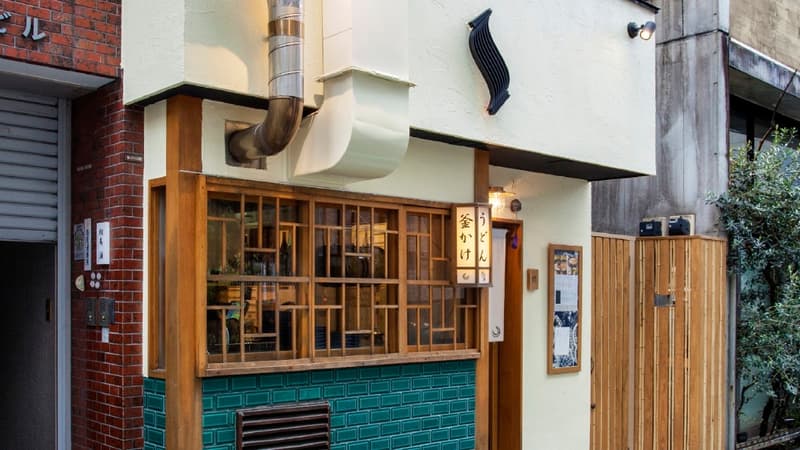
Udon Shin has earned its place as one of Tokyo's must-try udon destinations since opening in 2011, drawing serious crowds to this intimate Yoyogi spot where chef Narahara Shinji produces freshly handmade noodles with exceptional texture and bite. The kitchen's signature carbonara udon pushes traditional boundaries while respecting the fundamentals of proper noodle craft, and the tempura program goes beyond convention with inventive offerings like bacon and cheese tempura alongside pristine vegetable preparations. This is destination dining for udon purists and curious eaters alike, though the legendary queues demand patience and strategic timing.
Good to know
Use the digital ticketing system to grab your spot early, then monitor the QR code notifications so you can explore the neighborhood rather than standing in line for hours.
The chef
Narahara Shinji
Narahara Shinji opened Udon Shin in 2011 with a focus on traditional noodle craft executed with precision and consistency. While his formal training background remains closely held, his work at the cutting board demonstrates a deep understanding of proper gluten development, resting protocols, and the textural goals that separate exceptional udon from the ordinary. His approach balances respect for tradition—evident in the classic preparations—with willingness to push boundaries through creations like the now-famous carbonara udon that has become a signature calling card.
The Insider Compass
Four dimensions, each assessed independently against the same criteria everywhere we rate.
Plate
The handmade udon here showcases proper technique with firm, chewy noodles that hold their structure beautifully—this is textbook gluten development and resting done right. The carbonara udon demonstrates creativity within discipline, while the tempura work stands out for its restrained batter and precise frying that keeps the focus on ingredient quality rather than grease. Vegetable tempura, particularly mushroom, reveals a kitchen that understands how to coax maximum flavor through proper oil temperature and timing.
Vibe
LivelyThe intimate counter-style setting with fewer than ten seats creates an energetic, almost frenzied atmosphere during peak hours, with queues stretching down the block and a palpable buzz of anticipation. The space operates with the efficiency of a well-run brigade despite its size, though the constant turnover means this isn't lingering territory. Expect a lively, fast-paced environment where the focus remains squarely on the noodles, not the scene.
Service
The ordering system begins outside with staff taking requests before seating, streamlining what could otherwise be chaos given the volume and tight quarters. Service runs with the precision of a high-turnover operation—efficient rather than warm, focused on keeping the line moving while maintaining food quality. The ticketing and notification system helps manage expectations, though first-timers may find the queue protocol slightly confusing until they grasp the rhythm.
Setting
This is a compact, utilitarian space in Yoyogi where function trumps form—a ground-floor shop in the Soma Building designed entirely around noodle production and rapid service. The open kitchen setup allows diners to watch the entire process from dough to bowl, providing theater within the constraints of the tiny footprint. Location-wise, it sits just outside the Shibuya core in a more residential pocket, making it feel like a neighborhood discovery despite its fame.
These four dimensions are a handful of the attributes we review. The Insider Rating also draws on research the compass does not display — among them the wine programme, the size and quality of the cellar, the location, and how long the house has operated. It is not an average of the scores above.
Go for
- Some of Tokyo's best handmade udon with exceptional chew and texture
- The signature carbonara udon that balances innovation with tradition
- Masterfully fried tempura with restrained batter and pristine execution
Don't go for
- A leisurely meal—turnover is brisk and lingering isn't encouraged
- Spontaneous dining without time to queue, as waits can stretch to three hours during peak periods
Details
Japan, 〒151-0053 Tokyo, Shibuya, Yoyogi, 2-chōme−20−16 相馬ビル 1F
$$