Insider Compass
An expert assessment built on data, context and gastronomic judgement.
RECOGNITIONS
About Tsuta
Tsuta earned a place in culinary history as a Michelin-starred ramen shop, bringing refined technique and sophisticated execution to a traditionally humble craft. Chef Yuki Onishi approaches each bowl with the precision of fine dining, building shoyu-based broths layered with umami depth and finishing with unexpected touches like black truffle oil. This isn't the quick counter service you find street-side—it's a contemplative ramen experience where every element, from the noodles to the tare, receives meticulous attention. Perfect for those who want to understand ramen as a vehicle for serious culinary ambition.
Good to know
Book online a week in advance when reservations open—walk-ins are possible during off-hours around 2-3 PM, but lunch and dinner prime times fill quickly.
The chef
Yuki Onishi
Yuki Onishi came to ramen through his father's shop, learning the fundamentals of broth-building and noodle-making in a family kitchen before setting out to reinterpret the craft with fine-dining sensibility. His approach marries traditional technique—long-simmered stocks, house-made tare, careful sourcing—with unexpected flourishes like truffle oil and premium toppings that elevate each bowl beyond its humble origins. Onishi's work earned recognition from Michelin, making Tsuta a landmark in the broader conversation about what ramen can achieve. His cooking philosophy centers on layered umami, precision execution, and respect for the fundamentals, even as he pushes the genre forward.
The Insider Compass
Four dimensions, each assessed independently against the same criteria everywhere we rate.
Plate
The signature shoyu ramen showcases the kind of broth complexity that takes hours to achieve—multiple stocks layered together, seasoned with precision, and enriched with that distinctive truffle oil that divides purists but adds an undeniable aromatic lift. Whole wheat noodles provide textural interest and a subtle nuttiness that plays well against the richness of the broth. The special toppings—including wagyu, delicate bamboo shoots, and perfectly cooked eggs—elevate the bowl into something closer to composed cuisine than street food.
Vibe
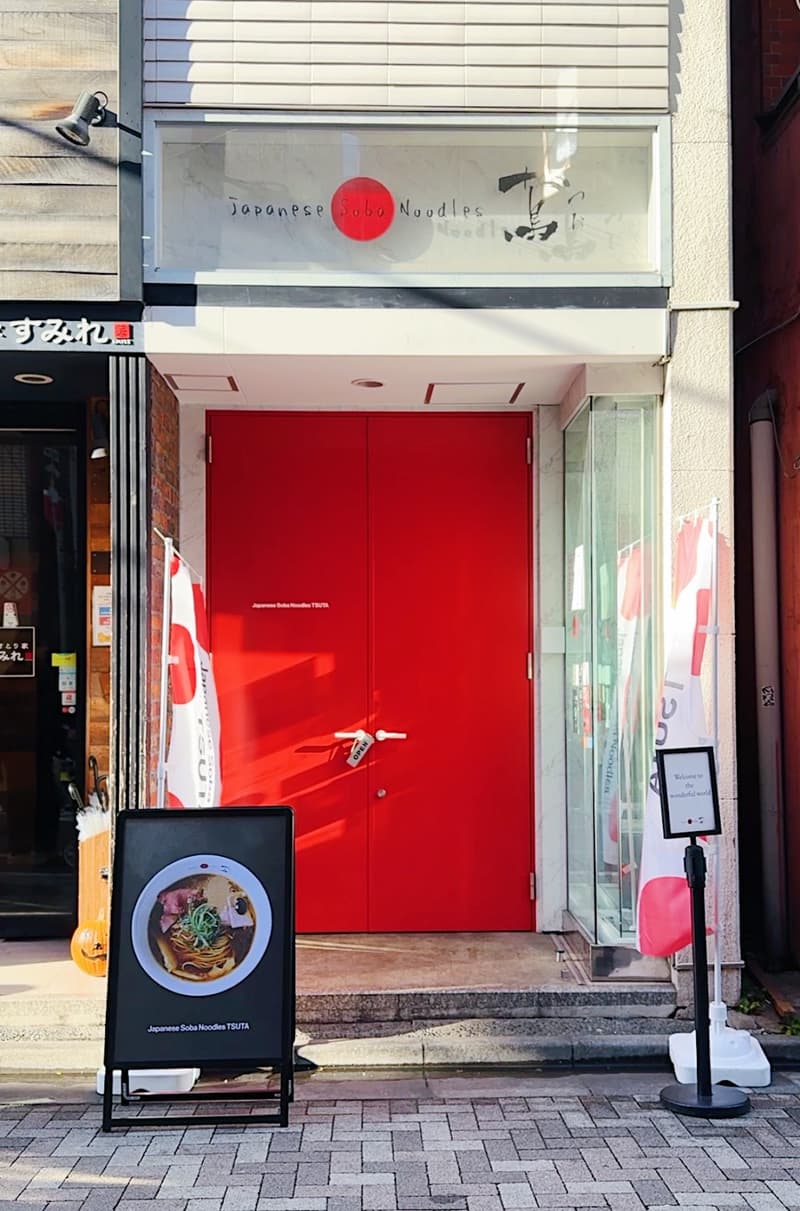
IntimateThe basement setting in Yoyogi-Uehara feels intentionally restrained, with a red, white, and black color scheme that nods to modern minimalism without losing sight of ramen shop roots. Counter seating puts you close to the action, where you can watch the kitchen work through each order with focused precision—it's quiet, disciplined, almost meditative compared to the usual ramen joint buzz. The crowd skews international these days, drawn by the Michelin recognition, but the atmosphere remains respectful and unhurried.
Service
Service follows a streamlined ticketing system via touchscreen kiosks with English support, eliminating language barriers and keeping the operation efficient. The staff maintains a professional, attentive presence without excessive formality—they'll note special occasions if you mention them in advance, sometimes offering a complimentary dessert to mark the moment. It's clear everyone on the floor understands the weight of the restaurant's reputation and works to deliver a seamless, no-nonsense experience.
Setting
The basement location along a quiet residential street in Yoyogi-Uehara makes for a slightly hidden-away feel, far removed from the tourist chaos of central Shibuya. Inside, the modern, carefully designed space balances sleek minimalism with warmth—counter seating wraps around the open kitchen, while a handful of tables accommodate small groups. The aesthetic is restrained and considered, echoing the precision you'll find in the bowls themselves.
These four dimensions are a handful of the attributes we review. The Insider Rating also draws on research the compass does not display — among them the wine programme, the size and quality of the cellar, the location, and how long the house has operated. It is not an average of the scores above.
Go for
- A Michelin-starred ramen experience that redefines what the category can be
- Meticulously crafted broths and refined technique applied to traditional Japanese comfort food
- The chance to understand ramen as a vehicle for serious culinary ambition
Don't go for
- Quick, casual ramen without fuss—this is a more deliberate, contemplative experience
- Traditional street-style ramen purists who resist modern embellishments like truffle oil
Details
Japan, 〒151-0066 Tokyo, Shibuya, Nishihara, 3-chōme−2−4 フロンティア代々木上原 B1
$$