Insider Compass
An expert assessment built on data, context and gastronomic judgement.
About tonkatsu.jp Omotesando
Tonkatsu.jp Omotesando brings a sommelier's approach to pork cutlets, offering a curated selection of premium heritage breeds from across Japan's regional farms, each with distinct flavor profiles mapped by tenderness and fat intensity. The two-stage frying technique using a proprietary oil blend delivers what regulars describe as revelatory—crispy panko exterior giving way to meat cooked medium-rare, allowing the pork's natural sweetness to shine through. This intimate counter-focused operation has built a devoted following among tonkatsu purists willing to invest in experiencing Japan's finest pork treated with the precision typically reserved for wagyu.
Good to know
For lunch, arrive 30-45 minutes before your preferred dining time to join the digital queue, then explore Omotesando's side streets—they'll message when your table is ready, and you might get seated earlier than expected if timing aligns.
The chef
Daisuke Masugi
Chef Masugi leads the brigade at tonkatsu.jp with a precision-focused approach that treats premium pork with the reverence typically reserved for high-end sushi or wagyu preparation. His philosophy centers on sourcing exceptional heritage breeds directly from regional farms across Japan and applying French-influenced techniques—particularly the two-stage frying method—to coax out each breed's distinct characteristics. Rather than masking pork with heavy breading or overcooking for safety, Masugi's kitchen showcases the natural sweetness and terroir of properly-raised pork through medium-rare doneness and minimal seasoning. The restaurant's Pork Map system reflects his belief that diners should understand provenance, fat composition, and regional farming practices as part of the gastronomic experience.
The Insider Compass
Four dimensions, each assessed independently against the same criteria everywhere we rate.
Plate
The kitchen's mastery lies in its dual-frying method and understanding that each heritage breed demands different handling—Awayuki pork develops creamy, marbled succulence while Hokkaido Dorobuta offers mineral-rich depth that justifies the premium pricing. The fillet and loin combination plates reveal the contrast between butter-tender center cuts and the fattier, more assertive sirloin, best appreciated with the restaurant's two salt selections that activate different flavor dimensions. The medium-rare doneness is non-negotiable here, an approach that polarizes traditionalists but showcases the pork's terroir in ways fully-cooked cutlets can't achieve.
Vibe
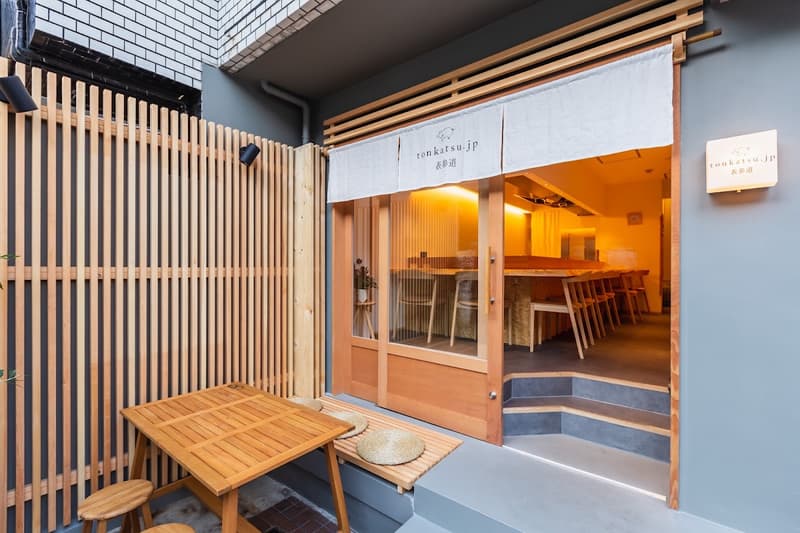
LivelyThe intimate counter seating creates a front-row view of the frying choreography, with Chef Masugi and his team working with precision in the compact open kitchen that seats around a dozen diners. The space hums with a mix of international visitors and Tokyo locals who've booked weeks ahead, creating an energized yet focused atmosphere where the sizzle of panko hitting oil provides the soundtrack. The outdoor terrace adds a few seats for warmer evenings, though the counter is where the theater happens.
Service
The team demonstrates genuine hospitality in guiding guests through the Pork Map, explaining regional differences, farming practices, and flavor profiles with patience and knowledge that elevates the experience beyond typical tonkatsu service. English-fluent staff navigate the selection process smoothly, offering recommendations based on fat preference and helping decode the pricing tiers across different breeds. Despite the small footprint and full bookings, the brigade maintains composure even when accommodating walk-ins between reservations.
Setting
The minimalist interior keeps focus on the counter and the precision unfolding behind it, with clean lines and blonde wood creating a contemporary izakaya aesthetic in the heart of Kitaaoyama's design district. The open kitchen dominates the compact first-floor space, where diners can watch each cutlet's journey from raw to golden. Its location in Omotesando means you're surrounded by flagship boutiques and galleries—perfect for wandering while waiting for your slot.
These four dimensions are a handful of the attributes we review. The Insider Rating also draws on research the compass does not display — among them the wine programme, the size and quality of the cellar, the location, and how long the house has operated. It is not an average of the scores above.
Go for
- Exploring Japan's regional pork terroir through premium heritage breeds you won't find elsewhere
- Counter-seat theater watching a two-stage frying technique that produces revelatory texture
- A curated tonkatsu experience where the pork's provenance and breeding matter as much as the panko
Don't go for
- Traditional fully-cooked tonkatsu—the medium-rare approach won't satisfy if you prefer deeply roasted breading and well-done meat
- Casual drop-in dining—the reservation system and premium pricing demand intentionality rather than spontaneous comfort food
Details
Japan, 〒107-0061 Tokyo, Minato City, Kitaaoyama, 3-chōme−9−9 1F
$$