The Quality Chop House
London, United Kingdom
Insider Compass
An expert assessment built on data, context and gastronomic judgement.
RECOGNITIONS
About The Quality Chop House
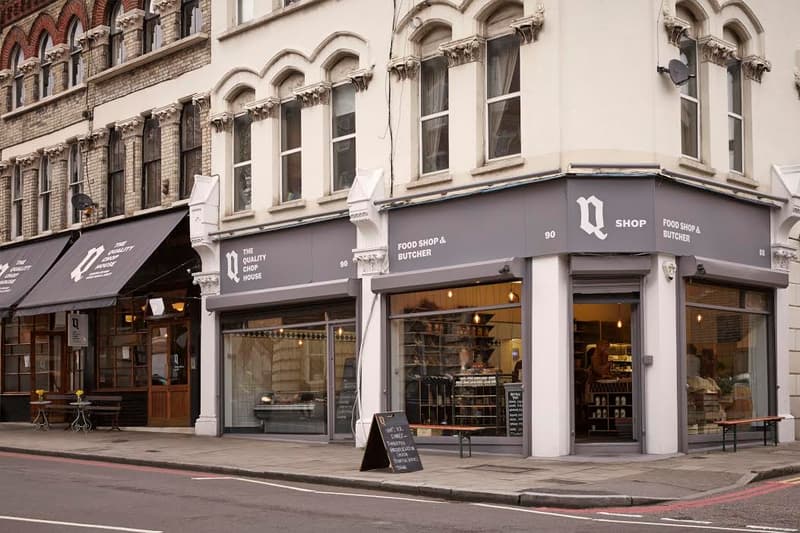
Since 1869, The Quality Chop House has anchored Farringdon as a working man's eating house turned modern British culinary institution, its Grade II-listed Victorian interior complete with original wooden benches intact. Chef Shaun Searley, who honed his craft under Peter Weeden at Paternoster Chophouse and helmed Bistotheque in East London, has built a devoted following for his assured, ingredient-driven cooking that celebrates the best of British beef and offal. The restaurant earned Europe's Best Short Wine List recognition for a cellar that punches well above its size, offering storied Burgundy and Rhône bottles at competitive pricing alongside a Coravin-powered by-the-glass program. This is where Londoners come for legendary confit potatoes, perfectly aged chops, and cooking that respects tradition without being handcuffed by it.
Good to know
Book the Châteaubriand or larger cuts in advance when making your reservation—they require 45 minutes to an hour to cook properly, and knowing this ahead keeps your pacing smooth.
The chef
Shaun Searley
Shaun Searley cut his teeth under chef Peter Weeden at Paternoster Chophouse, learning the fundamentals of British chophouse cooking before taking the helm at Bistotheque in East London, where he developed his modern sensibility. Since joining The Quality Chop House, Searley has become known for cooking that honors the terroir and provenance of British ingredients—particularly beef, offal, and seasonal produce—while applying rigorous technique to elevate familiar preparations. His approach centers on sourcing exceptional raw materials from UK farms and allowing their quality to shine through confident, unfussy execution. The kitchen's reputation for consistency and the acclaim Searley has earned speak to a chef who understands that great cooking requires both respect for tradition and the courage to evolve it.
The Insider Compass
Four dimensions, each assessed independently against the same criteria everywhere we rate.
Plate
Searley's kitchen excels at the kind of confident, technique-driven British cooking that makes the familiar feel revelatory—think sweetbreads with proper caramelization, monkfish handled with restraint, and veal T-bones that showcase the quality of UK farms supplying the daily-changing cuts. The confit potatoes have earned near-mythical status for good reason, their layered, butter-rich construction providing the perfect foil to expertly cooked Aberdeen Angus ribeye and Châteaubriand. Desserts like olive oil ice cream and rhubarb trifle demonstrate the same clarity of vision—simple concepts executed with precision.
Vibe
LivelyThe dining room hums with energy, tables set close enough that you'll feel the buzz of conversation without losing intimacy, the Victorian wooden benches and original fixtures lending old-school charm to what feels like a thoroughly modern London scene. Expect a lively, convivial atmosphere that builds as the evening progresses, the kind of place where regulars and first-timers alike settle into the rhythm of a proper British chophouse reinvented for contemporary tastes. The room fills quickly and maintains a steady din that signals a restaurant in its stride—this is dining with a pulse.
Service
The team strikes a fine balance between attentive professionalism and natural warmth, with managers like Lawrence offering gentle wine guidance and the occasional off-menu treat (that chicken liver mousse enriched with a generous pour of booze is worth asking about). Service moves with efficiency and care, swapping plates for warm ones before mains arrive and timing courses to accommodate the 45-minute cook required for larger cuts. Expect knowledgeable, unfussy hospitality that adapts to the table's needs without hovering.
Setting
The Grade II-listed Victorian interior remains gloriously intact, original wooden benches running along the walls creating the kind of authentic period atmosphere that can't be replicated. Farringdon Road's industrial edge provides the backdrop for this beautifully preserved slice of 19th-century London, where polished wood, simple table settings, and good lighting create a dining room that feels both historic and utterly of the moment. The cramped seating on those original benches is part of the charm, a small trade-off for dining in a space this historically significant.
These four dimensions are a handful of the attributes we review. The Insider Rating also draws on research the compass does not display — among them the wine programme, the size and quality of the cellar, the location, and how long the house has operated. It is not an average of the scores above.
Go for
- Some of London's finest British beef and daily-changing cuts from UK farms
- The legendary confit potatoes and expert chophouse cooking that balances tradition with modern technique
- An exceptional wine program that offers Burgundy and Rhône bottles at competitive prices with Coravin by-the-glass access
Don't go for
- A quiet, intimate date night—the lively dining room and close-set tables create a convivial buzz rather than seclusion
- Quick service on a tight schedule—larger cuts require substantial cooking time, and the experience rewards patience
Details
92-94 Farringdon Rd, London EC1R 3EA, UK
$$$