Ristorante Del Cambio
Turin, Italy
Insider Compass
An expert assessment built on data, context and gastronomic judgement.
RECOGNITIONS
About Ristorante Del Cambio
Ristorante Del Cambio stands as one of the world's oldest dining institutions, a storied address on Piazza Carignano where Camillo Benso, Count of Cavour once plotted Italy's unification over multi-course meals. Today, under the direction of Chef Diego Giglio, the kitchen weaves classic Piedmontese tradition with contemporary technique, delivering dishes that honor terroir while embracing modern sensibilities. The restaurant holds one Michelin star and commands a 17th-century wine cellar housing over 16,000 bottles—a collection as historic as the gilded Sala Risorgimento upstairs.
Good to know
Request seating in the Sala Risorgimento when booking—some guests are directed to the modern Pistoletto room without realizing the historic dining room is the main attraction.
The chef
Diego Giglio
Diego Giglio ascended to the executive chef role at Del Cambio after a long tenure in the brigade, having worked closely with Matteo Baronetto since 2000 and served as Sous Chef since 2014. Trained in prestigious Italian kitchens, Giglio absorbed classical Piedmontese technique before developing the contemporary interpretations that now define his approach. His cooking philosophy balances respect for regional ingredients—Fassona beef, Castelmagno cheese, hazelnuts from the Langhe—with a willingness to borrow techniques and presentations from global cuisines, particularly Japanese precision. Under his direction, Del Cambio maintains its Michelin star while continuing to evolve beyond pure nostalgia.
The Insider Compass
Four dimensions, each assessed independently against the same criteria everywhere we rate.
Plate
Giglio's brigade executes Piedmontese classics with precision and invention—expect dishes like agnolotti del plin that respect tradition while incorporating unexpected textural contrasts, and proteins like pigeon handled with impeccable technique. The kitchen demonstrates confident control over heat and timing, with compositions that layer umami-rich ingredients (think aged Parmigiano, white truffle in season, bone marrow) alongside delicate raw preparations that show Japanese influence. The tasting menus reveal a chef unafraid to reimagine regional staples, though à la carte options allow purists to stay closer to the Piedmont canon.
Vibe
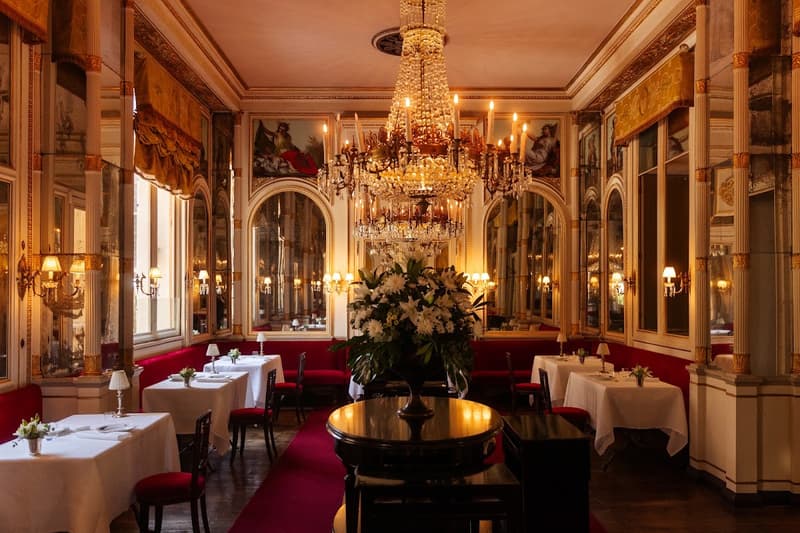
IntimateThe Sala Risorgimento transports diners to the 19th century with its frescoed ceilings, crystal chandeliers, and velvet banquettes—an atmosphere of hushed elegance where conversation stays intimate and the energy remains refined. The adjacent Pistoletto room offers a more contemporary, relaxed backdrop for those seeking the same culinary expertise without the full baroque theater. Expect a serious, almost reverential dining pace where four-hour meals are standard and the crowd skews international and occasion-driven.
Service
The brigade de salle operates with choreographed precision—servers explain each dish with genuine knowledge, sommeliers guide through the cellar's treasures with authority, and the pacing feels deliberate without ever dragging. Attentiveness runs high, with staff anticipating needs and offering gracious guidance through the menu's more adventurous turns. The formality here is real but never stuffy; jackets are offered at the door, and the team maintains a balance between ceremony and warmth that suits the setting.
Setting
The Sala Risorgimento remains the crown jewel—a meticulously restored dining room dripping with gilded moldings, antique mirrors, and period detail that feels more palazzo than restaurant. Cavour's reserved table still anchors the space, a quiet reminder of the room's role in Italian history, while contemporary art installations in the Pistoletto room provide visual counterpoint. Beneath it all lies that remarkable underground cellar, its corridors lined floor-to-ceiling with bottles dating back centuries—a pilgrimage site for serious wine collectors.
These four dimensions are a handful of the attributes we review. The Insider Rating also draws on research the compass does not display — among them the wine programme, the size and quality of the cellar, the location, and how long the house has operated. It is not an average of the scores above.
Go for
- A deep dive into Piedmontese gastronomy executed with Michelin-level technique and creativity
- The rare opportunity to dine in one of Europe's most historically significant restaurant settings
- Access to an extraordinary wine cellar with over 16,000 bottles and labels spanning centuries
Don't go for
- A quick, casual meal—the tasting menus here demand three to four hours and full commitment
- Budget-conscious dining; this is investment-level pricing that reflects the location, cellar, and culinary ambition