Rintaro
San Francisco, United States · Mission District
Insider Compass
An expert assessment built on data, context and gastronomic judgement.
RECOGNITIONS
About Rintaro
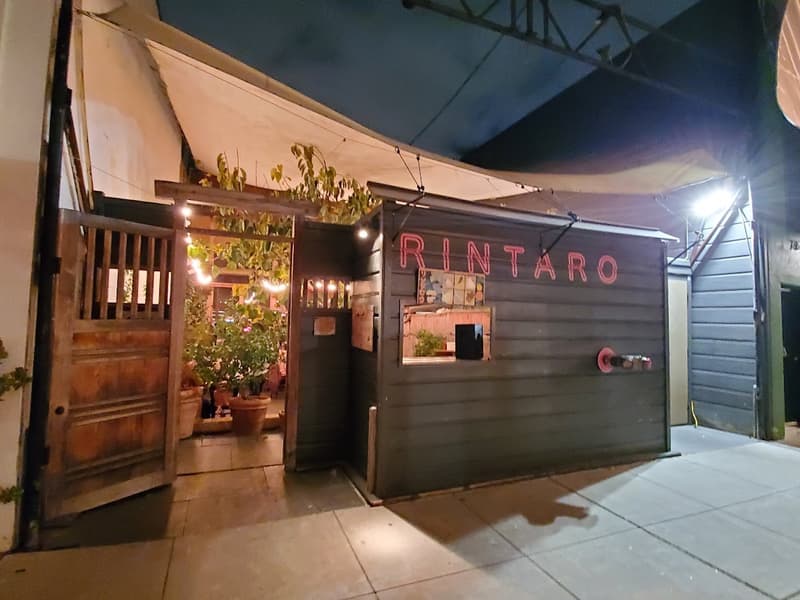
Sylvan Mishima Brackett's izakaya channels the spirit of Tokyo's intimate drinking houses through a distinctly Northern California lens, where binchotan-grilled yakitori and handmade udon meet Alice Waters' ethos of seasonal sourcing. The Bib Gourmand-recognized restaurant occupies a serene space reminiscent of a Japanese courtyard, built around a central counter where the charcoal grill becomes theater and the rhythm of the kitchen sets the pace. This is izakaya elevated beyond street-side casual—a place where technique, terroir, and tradition converge for those who appreciate the quiet mastery behind seemingly simple preparations.
Good to know
Book counter seats near the grill a month ahead—watching the yakitori cook over binchotan and observing the oden pot simmer under its drop lid is half the experience.
The chef
Sylvan Mishima Brackett
Sylvan Mishima Brackett built his foundation at Chez Panisse under Alice Waters, absorbing the gospel of seasonal, local sourcing before decamping to Japan to study at Soba Ro in Saitama and a traditional ryotei in Aoyama, Tokyo. That dual training—California's farmers market devotion married to Japan's exacting craft—defines his cooking at Rintaro, where he handcrafts udon, makes tofu in-house, and grills yakitori over proper binchotan charcoal. His approach honors the discipline of Japanese tradition while embracing Northern California's abundance, a philosophy that earned him a James Beard nomination for Best Chef: West and a devoted following among those who recognize the quiet mastery in his preparations.
The Insider Compass
Four dimensions, each assessed independently against the same criteria everywhere we rate.
Plate
The cooking here reflects Brackett's training in both Chez Panisse's farmers market discipline and the exacting standards of Tokyo ryotei—house-made tofu arrives with silken texture and pure soy flavor, while yakitori achieves that elusive balance of char and juiciness over proper binchotan charcoal. The handmade udon showcases proper technique with toothsome texture, and the oden simmers under a drop lid just as it should, each element absorbing dashi with patience.
Vibe
LivelyThe dining room feels like a refuge from the city's frenetic energy—wood beams, soft lighting, and a tranquil courtyard aesthetic create an atmosphere more contemplative than raucous. Counter seating near the grill offers the best vantage point for watching the brigade work the flames, while tables accommodate those seeking conversation over shared plates. Expect a convivial but measured pace, with a crowd that skews serious about their Japanese food.
Service
The team runs a tight operation with attentive pacing and a clear knowledge of the menu's nuances, though timing can occasionally lag during peak service. Staff guide diners through the sake list with confidence and adjust courses smoothly for dietary needs. The hospitality leans professional rather than effusive—efficient, informed, and respectful of the food's integrity.
Setting
The space evokes a Japanese courtyard transported to the Mission, with exposed wood, natural materials, and an open kitchen centered around the charcoal grill that anchors the room. The counter seats provide intimate access to the cooking line, where you can watch binchotan glow and smell the smoke as skewers hit the grate. It's a thoughtfully composed environment that balances rusticity with refinement, neither overly precious nor casual.
These four dimensions are a handful of the attributes we review. The Insider Rating also draws on research the compass does not display — among them the wine programme, the size and quality of the cellar, the location, and how long the house has operated. It is not an average of the scores above.
Go for
- Authentic izakaya technique filtered through Northern California's seasonal ingredients and farmers market sensibility
- Counter seats with a front-row view of binchotan yakitori and the precision of a well-drilled Japanese kitchen
- A serene, contemplative atmosphere that feels worlds away from typical San Francisco dining
Don't go for
- Quick service or instant gratification—reservations book far ahead and pacing follows izakaya's leisurely cadence
- Complex, inventive fusion—this is about honoring tradition and proper technique, not culinary pyrotechnics
Details
82 14th St, San Francisco, CA 94103, USA
$$$