Insider Compass
An expert assessment built on data, context and gastronomic judgement.
About Restaurante Tic Tac
In the crossroads village of Alcaracejos, Restaurante Tic Tac has long served as the anchor point for travelers and locals moving through the Pedroches valley. This is cocina casera in its purest sense — the kind of Cordoban and Andalusian home cooking that doesn't chase trends, built instead on lechón frito, meats grilled over holm oak embers, and stews that taste like they've been perfected over generations. With a sprawling terrace, private parking, and hostal rooms upstairs, it functions as much as a community fixture as a restaurant. Come hungry, come with family, and expect the kind of generous, unfussy plates that define rural Andalusian dining.
Good to know
Order the weekend menú del día — it delivers far more variety and value than à la carte, especially for groups.
The chef
Not available
The kitchen at Tic Tac operates in the tradition of Pedroches home cooking, where technique is passed down through family rather than culinary school, and recipes for stews, migas, and fried pork are refined through repetition rather than reinvention. The approach favors local retinto beef, Iberian pork, and holm oak charcoal grilling — ingredients and methods rooted directly in the surrounding terroir of northern Córdoba. There's no chasing of modern plating or tasting menus here; the philosophy is fidelity to regional flavor, generous portions, and consistency meal after meal.
The Insider Compass
Four dimensions, each assessed independently against the same criteria everywhere we rate.
Plate
The kitchen's calling card is the lechón frito — fried suckling pig with crackling skin and tender, well-rendered meat — alongside presa ibérica and retinto beef cooked a la piedra over holm oac coals for real Maillard depth. Classics like salmorejo, croquetas caseras, and migas serranas con torreznos are executed with the kind of consistency that only comes from decades of repetition. Portions run large and prices stay honest, which is exactly the point of this style of terroir-driven, ingredient-first cooking.
Vibe
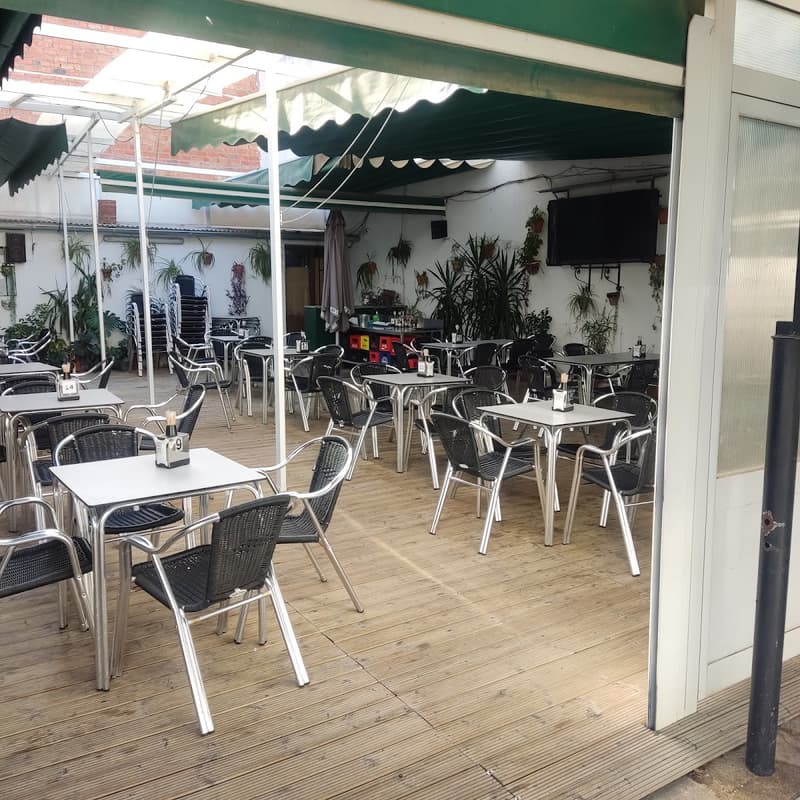
LivelyThis is a lively, unpretentious dining room — big, echoing, and full of families, cyclists, and pilgrims passing through on the Camino Mozárabe. The covered terrace fills fast on weekends and can get boisterous with children running between tables, so don't expect a quiet, romantic meal. It's the kind of noisy, communal energy that feels authentically Spanish rather than staged for tourists.
Service
Staff are typically warm and familiar, treating regulars and strangers alike with the same easy hospitality that has kept people coming back for years. That said, on busy weekends and holidays, pacing between courses can slow considerably, with waits stretching well past what you'd expect for straightforward home cooking. Patience pays off here — this is a kitchen working through volume, not a rushed operation.
Setting
The building reads as a classic roadside hostal-restaurant, functional rather than styled, with a large indoor dining room and an awning-covered terrace out front. Private parking right outside makes it an easy stop for drivers, and the location at the village's historic crossroads has made it a fixture for locals and passersby alike. Don't expect design flourishes — the charm here is lived-in, not curated.
These four dimensions are a handful of the attributes we review. The Insider Rating also draws on research the compass does not display — among them the wine programme, the size and quality of the cellar, the location, and how long the house has operated. It is not an average of the scores above.
Go for
- Generous, authentic Cordoban home cooking at fair prices
- Family-friendly terrace with private parking
- A genuine local institution rather than a tourist-oriented stop
Don't go for
- A quiet, intimate dinner setting
- Fast service during peak weekend or holiday hours