Insider Compass
An expert assessment built on data, context and gastronomic judgement.
RECOGNITIONS
About Qasti Green
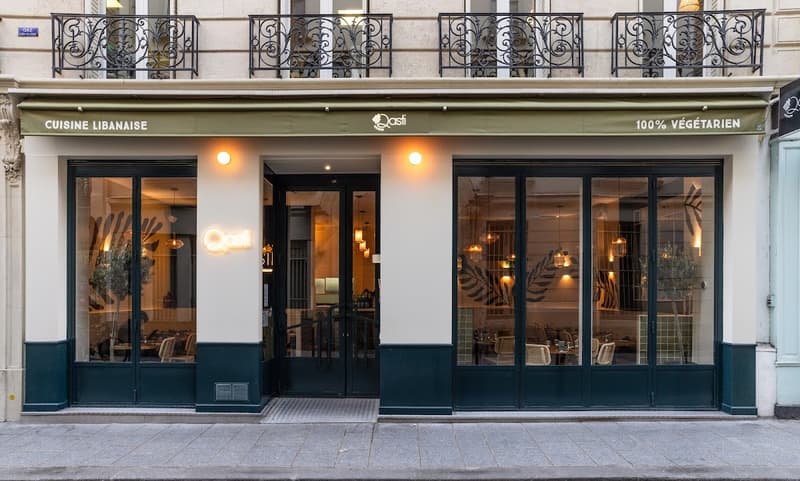
Alan Geaam, the Michelin-starred chef behind his eponymous restaurant, brings his deeply personal connection to Lebanese cuisine to this entirely vegetarian outpost in the 2nd arrondissement. Trained by his mother in the subtleties of traditional Lebanese cooking, Geaam reimagines classics through a plant-based lens without sacrificing the bold, layered flavors that define the cuisine. The green hummus and mushroom shawarma showcase his ability to translate technique and terroir into dishes that satisfy both committed vegans and devoted carnivores. This is Lebanese cooking at its most approachable and inventive, drawing a crowd that spans food-curious locals and dedicated followers of Geaam's work.
Good to know
Ask for the server's recommendations and order a variety of dishes to share—the menu rewards exploration, and the kitchen's best work shines when you taste across multiple preparations.
The chef
Alan Geaam
Alan Geaam learned the foundations of Lebanese cooking directly from his mother, absorbing the traditional techniques and flavor balances that define the cuisine at its most authentic. His eponymous restaurant earned him recognition with a Michelin star, cementing his reputation for honoring Lebanese culinary heritage while bringing his own vision to the table. With Qasti Green, Geaam channels that same rigor and personal connection into an entirely plant-based format, proving that vegetarian cooking can deliver the complexity, richness, and soul of traditional Lebanese mezze. His approach is rooted in respect for ingredients and a deep understanding of how to build layers of flavor without relying on meat.
The Insider Compass
Four dimensions, each assessed independently against the same criteria everywhere we rate.
Plate
The kitchen excels at coaxing deep umami and richness from vegetables, achieving the textural complexity that makes dishes like the celery and halloumi shawarma and chiche barak remarkably satisfying even for non-vegetarians. Standouts include the signature pistachio-basil green hummus—a polarizing but boldly flavored departure from tradition—and the baba ghanouj, which captures the smoky depth of proper charcoal grilling. Portions lean modest for the price point, so embrace the mezze approach and order several dishes to share for the full experience.
Vibe
LivelyThe space strikes a balance between relaxed and vibrant, with contemporary design that feels airy and inviting rather than overly polished. The music selection adds personality without overwhelming conversation, making it equally suited to leisurely catch-ups and casual date nights. Expect a convivial energy that builds as the evening progresses, though the restaurant can feel surprisingly quiet during off-peak hours.
Service
The team brings warmth and attentiveness to the experience, offering thoughtful recommendations and sharing the story behind the concept with genuine enthusiasm. Pacing can occasionally lag when the dining room fills, particularly between courses, but the genuine hospitality compensates for any minor timing hiccups. Staff members like Camille and Anthony have earned recognition for making guests feel welcomed and well cared for throughout the meal.
Setting
The contemporary, airy interior on Rue des Jeuneurs feels refreshingly uncluttered, with a layout that includes both high seats at the counter and traditional tables for a more intimate setting. The design leans modern and clean, allowing the vibrant colors of the dishes to take center stage. Located in the lively 2nd arrondissement, the restaurant offers a cozy refuge from the bustling streets outside.
These four dimensions are a handful of the attributes we review. The Insider Rating also draws on research the compass does not display — among them the wine programme, the size and quality of the cellar, the location, and how long the house has operated. It is not an average of the scores above.
Go for
- Bold, flavorful vegetarian Lebanese cuisine that doesn't compromise on technique or satisfaction
- A relaxed, welcoming atmosphere perfect for group dining or casual evenings
- The chance to experience Alan Geaam's plant-based creativity without the formality of his starred restaurant
Don't go for
- Generous portions or a quick, inexpensive meal—the mezze approach requires ordering multiple dishes
- Perfectly timed service during peak hours when pacing can feel rushed