Prado Wine Bar
Lisbon, Portugal · Alfama
Insider Compass
An expert assessment built on data, context and gastronomic judgement.
RECOGNITIONS
About Prado Wine Bar
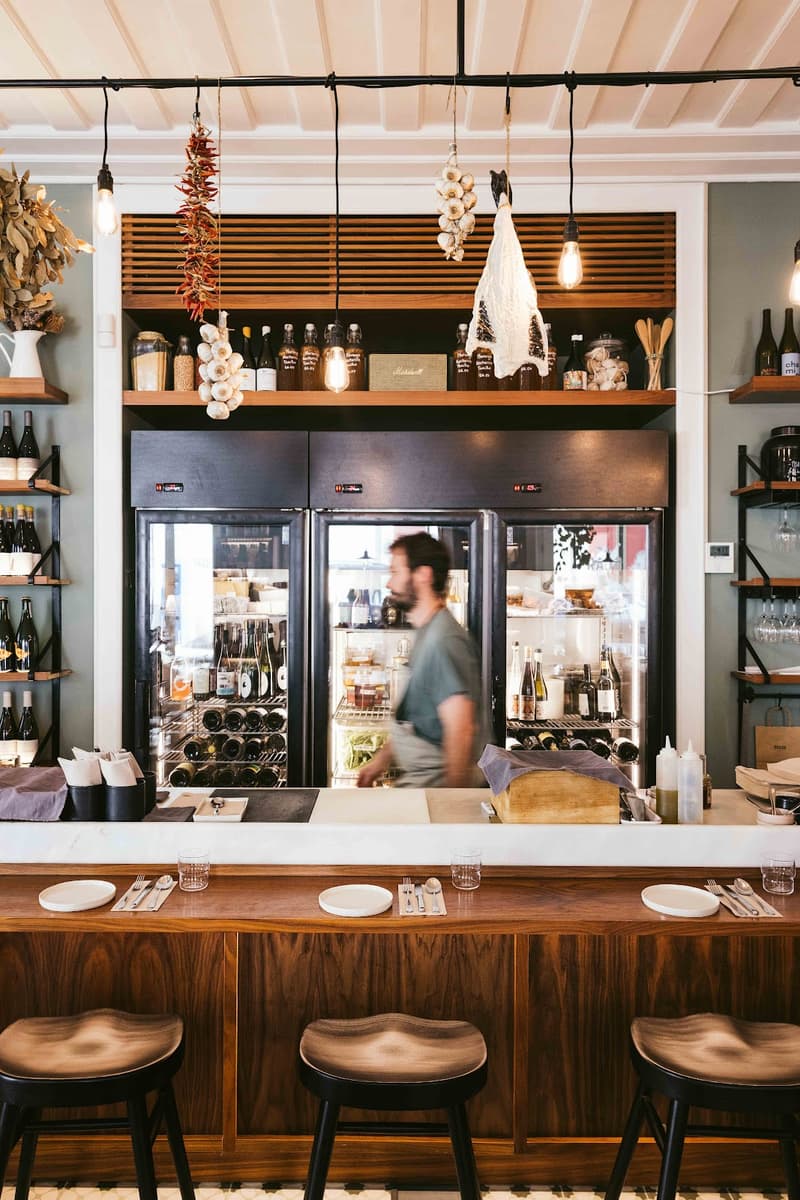
Housed in a former fish factory in Baixa, Prado Wine Bar channels chef António Galapito's farm-to-table ethos into a casual, deeply Portuguese setting complete with Roman ruins and soaring ceilings draped in greenery. The kitchen leans on a network of local farmers, fishermen, and winemakers to shape a hyper-seasonal menu that shifts with the catch and harvest, paired with an all-Portuguese natural and organic wine list. It's the sort of place where Lisboetas drop in for a plate of cured fish and a glass of something funky, where the vibe feels more neighborhood grocery-store-meets-wine-bar than restaurant. Book ahead—word has spread, and tables fill quickly.
Good to know
Ask what came in that morning from the docks—the menu rotates constantly, and the kitchen's best work happens when they're excited about a particular catch or seasonal ingredient.
The chef
António Galapito
António Galapito honed his approach working alongside Nuno Mendes in London, where he absorbed a disciplined, ingredient-driven philosophy before returning to Portugal. His cooking centers on building relationships with local farmers, fishermen, and winemakers, letting their harvests and catches dictate the menu rather than imposing a fixed culinary vision. At Prado, Galapito champions a farm-to-table ethos that's rooted in Portuguese terroir, favoring simplicity and seasonality over technique for technique's sake. His food feels deeply connected to place—unfussy, honest, and reflective of the rhythms of the land and sea.
The Insider Compass
Four dimensions, each assessed independently against the same criteria everywhere we rate.
Plate
Galapito's cooking is ingredient-first, letting seasonal Portuguese produce and day-boat fish do the talking with minimal interference. Dishes like amberjack with strawberry and chili or codfish with chickpeas showcase his knack for balancing bright acidity and umami, while techniques remain clean and unfussy. Portions skew small—think snack-sized plates designed for grazing over wine rather than a full sit-down feast.
Vibe
LivelyThe space hums with a relaxed, communal energy, especially when locals pack in for early-evening glasses and small bites. Acoustics can be challenging—hard surfaces and high ceilings mean noise spikes when larger groups settle in, making conversation tricky on busy nights. It's more casual wine bar than hushed dining room, so expect a lively soundtrack of clinking glasses and animated Portuguese chatter.
Service
The front-of-house team is well-versed in the natural wine program and can guide you through the Portuguese-only list with confidence and warmth. Service style leans informal and relaxed, though consistency can waver—some nights you'll get enthusiastic recommendations and genuine hospitality, while others feel more detached. Regulars build rapport with staff who know their preferences, so return visits tend to smooth out any initial kinks.
Setting
The former industrial shell has been reimagined with lush greenery, exposed brick, and a visible slice of Roman ruins underfoot, creating a striking contrast between ancient and modern. Natural light floods through large windows facing the street, while the interior retains a mercearia aesthetic—part wine shop, part pantry, part dining room. It's a space that feels both curated and lived-in, with just enough polish to feel special without losing its neighborhood soul.
These four dimensions are a handful of the attributes we review. The Insider Rating also draws on research the compass does not display — among them the wine programme, the size and quality of the cellar, the location, and how long the house has operated. It is not an average of the scores above.
Go for
- Hyper-seasonal Portuguese ingredients handled with restraint and clarity
- An exclusively Portuguese natural and organic wine list that rewards curiosity
- A striking setting in a former fish factory with Roman ruins and industrial charm
Don't go for
- A quiet, intimate dinner—acoustics and crowd energy skew lively and loud
- Hearty, filling portions or a traditional multi-course meal
Details
R. das Pedras Negras 35, 1100-404 Lisboa, Portugal
€€