Insider Compass
An expert assessment built on data, context and gastronomic judgement.
RECOGNITIONS
About Noor
Paco Morales' three-Michelin-starred Noor is a time machine disguised as a restaurant, where each evolving season explores a different century of Al-Andalus cuisine—medieval Muslim Spain brought to life through avant-garde technique and meticulous historical research. This is dining as archaeology, using only ingredients that would have been available in that specific era, executed with the precision Morales honed at elBulli and Mugaritz. It's for curious eaters who appreciate intellectual rigor alongside technical brilliance, though be warned: the conceptual ambition sometimes overshadows pure hedonism.
Good to know
Book months in advance and request a table with direct sightlines to the open kitchen—watching the intricate plating and mise en place is half the experience.
The chef
Paco Morales
Paco Morales trained in the kitchens of elBulli under Ferran Adrià and at Mugaritz with Andoni Luis Aduriz, absorbing the avant-garde techniques that define modern Spanish gastronomy. After stages abroad and leading kitchens in Córdoba, he opened Noor in 2016 with a singular vision: to reconstruct the lost cuisine of Al-Andalus through obsessive historical research and modernist technique. His approach is academic yet artistic, building each season's menu around a specific century and using only ingredients documented in that era—a culinary archaeology project that earned him three Michelin stars and recognition as the best restaurant in Córdoba. Morales cooks like a historian with a PhD in flavor, balancing intellectual rigor with the technical chops to pull it off.
The Insider Compass
Four dimensions, each assessed independently against the same criteria everywhere we rate.
Plate
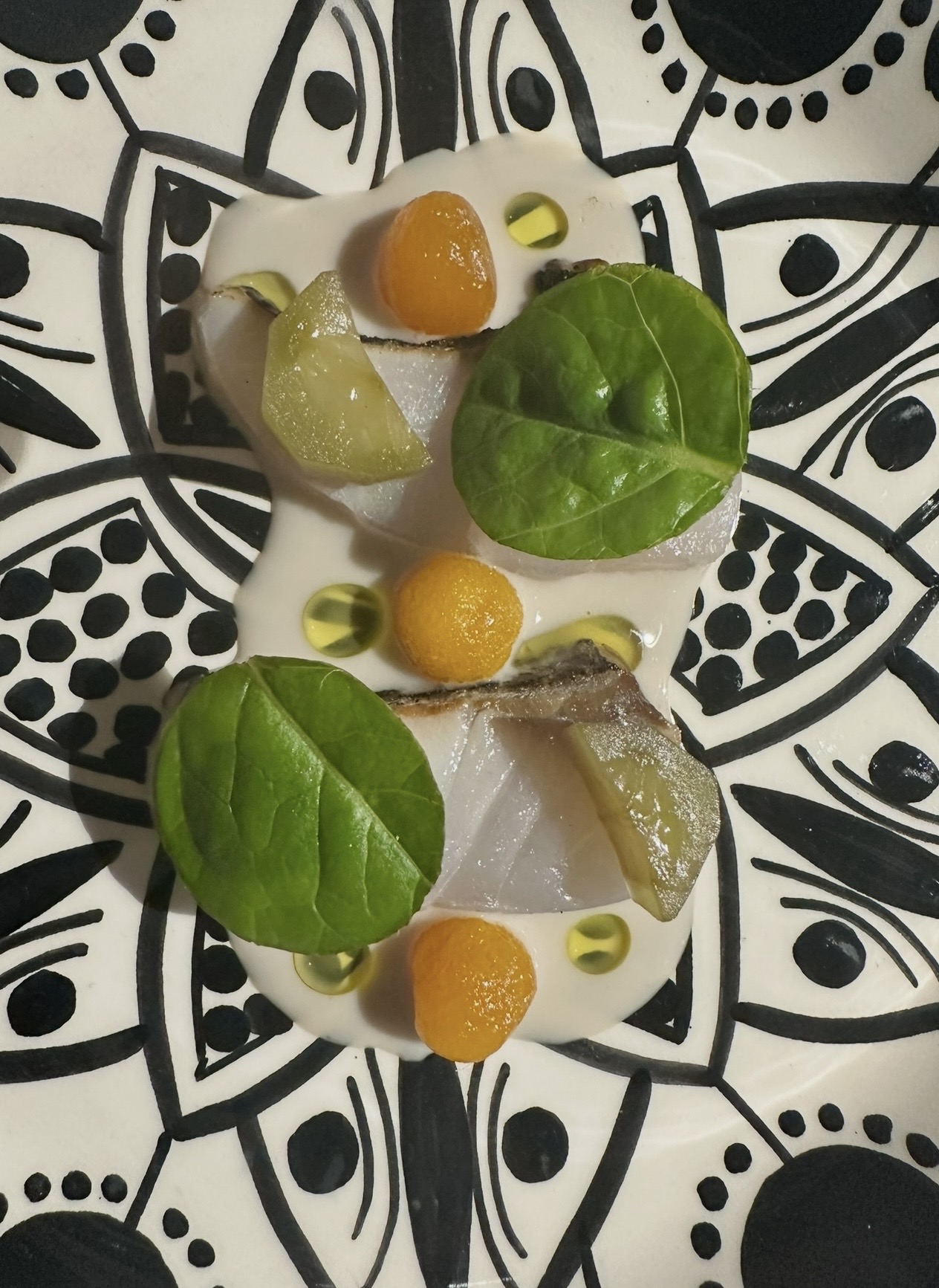
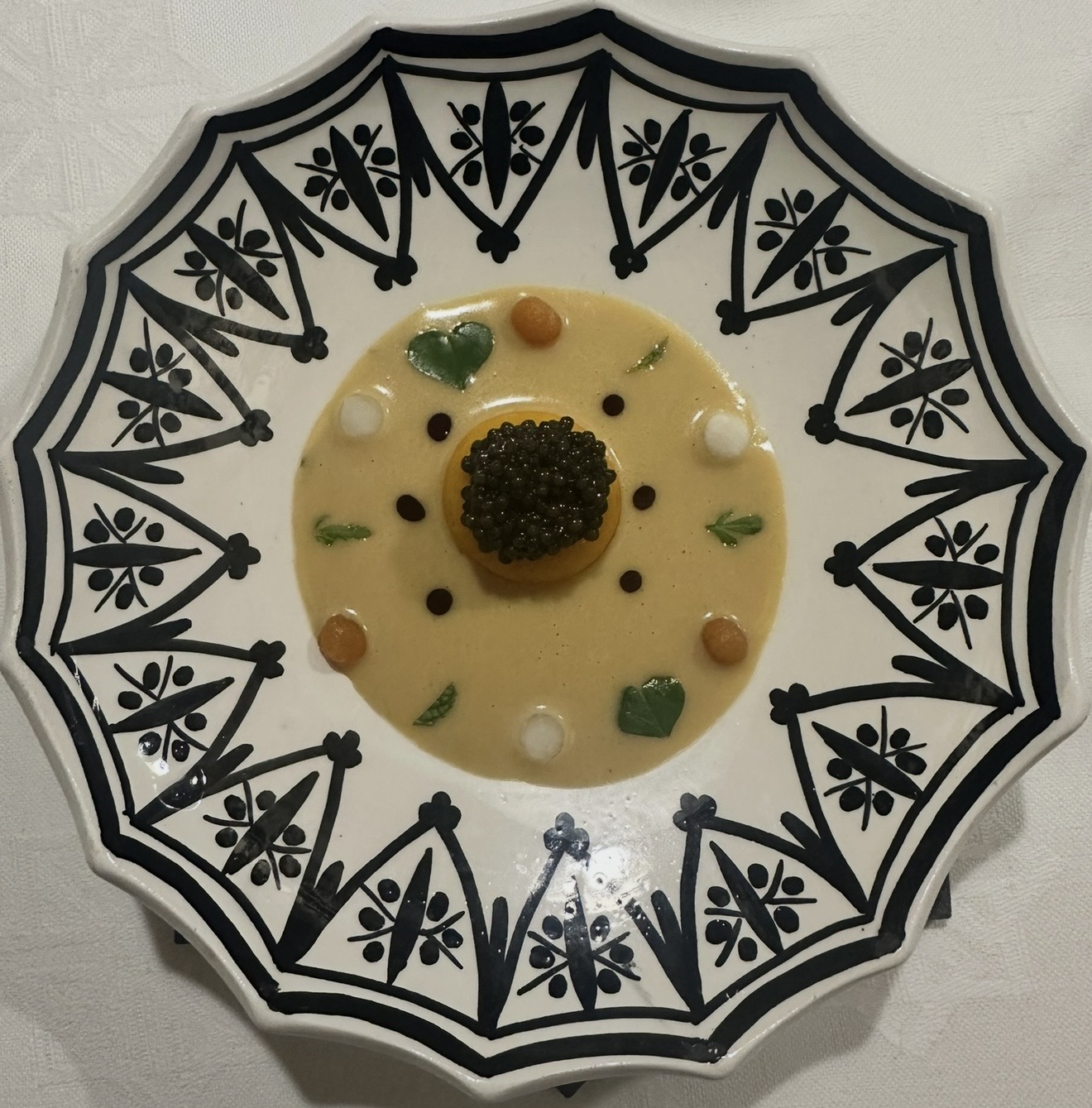
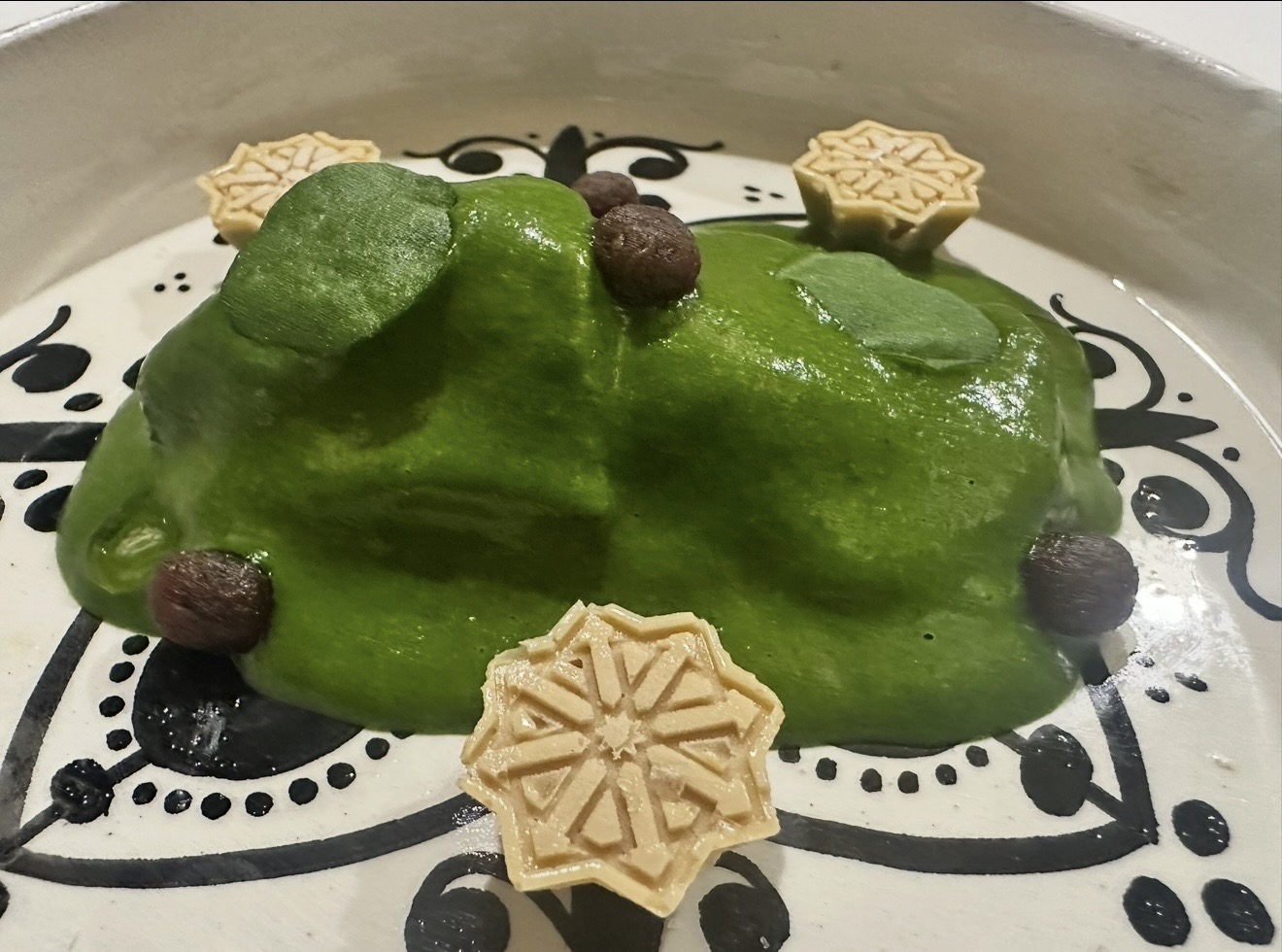
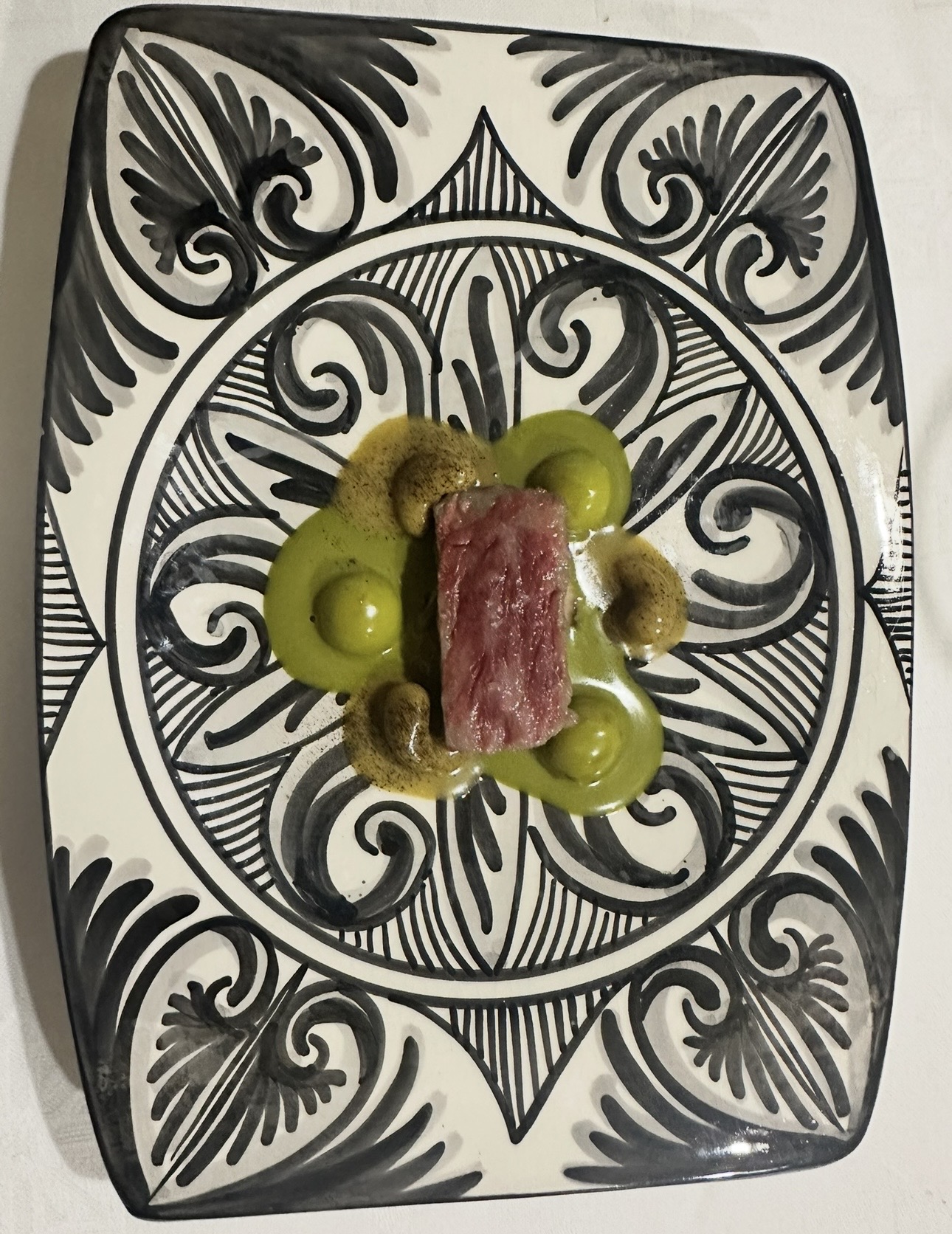
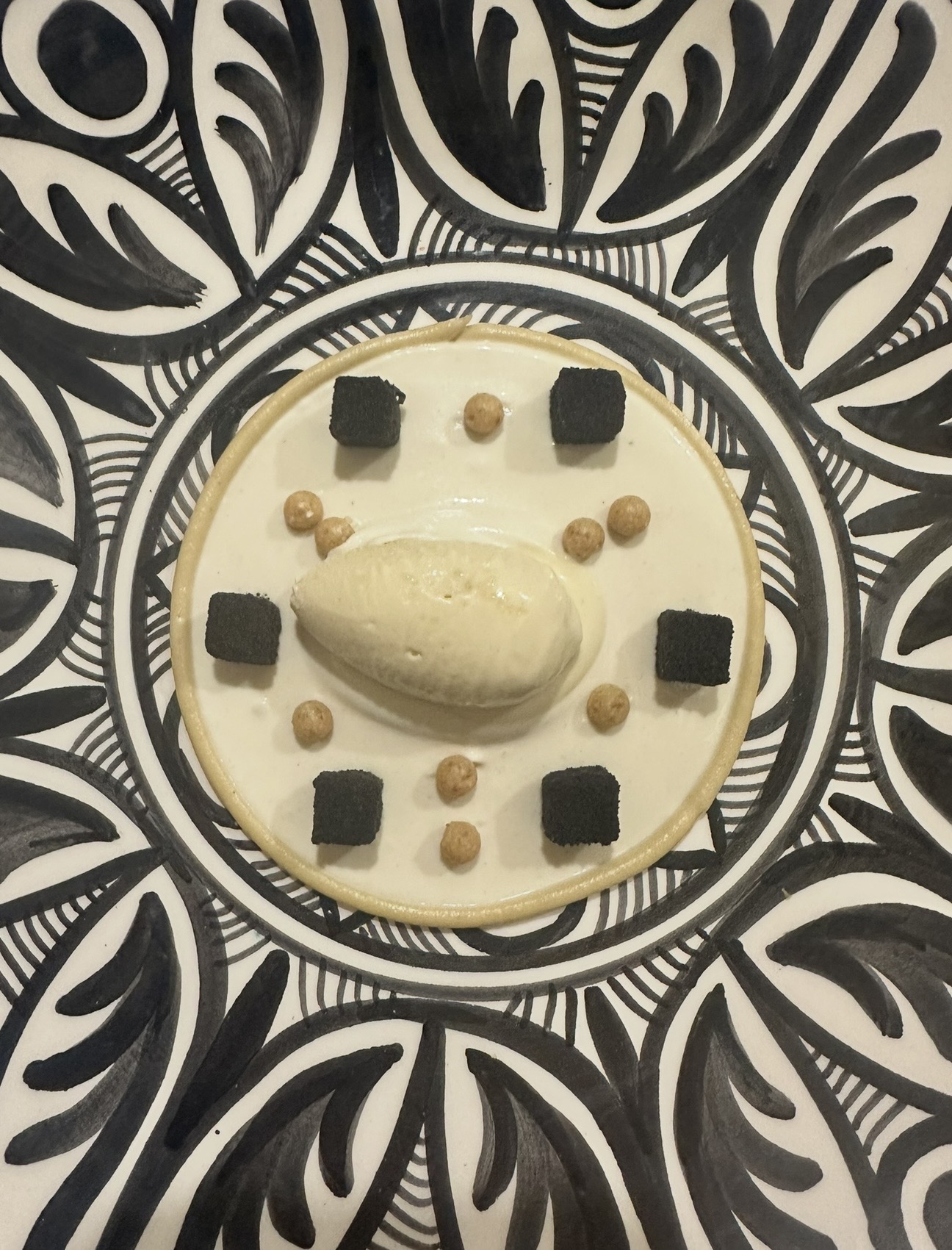
The kitchen operates like a culinary research laboratory, reconstructing dishes from centuries past with modern technique—think oysters with spinach and olive reduction, sesame karim, and aubergine with goat cheese and caviar. Presentation is museum-quality, each plate a geometric meditation on Andalusian aesthetics, though flavor profiles can swing wildly: when Morales hits the mark, the interplay of Arabic spices and Iberian ingredients is transcendent, but some dishes prioritize historical authenticity over immediate pleasure. The open kitchen reveals a brigade working with surgical precision, more cooks than diners most nights.
Vibe
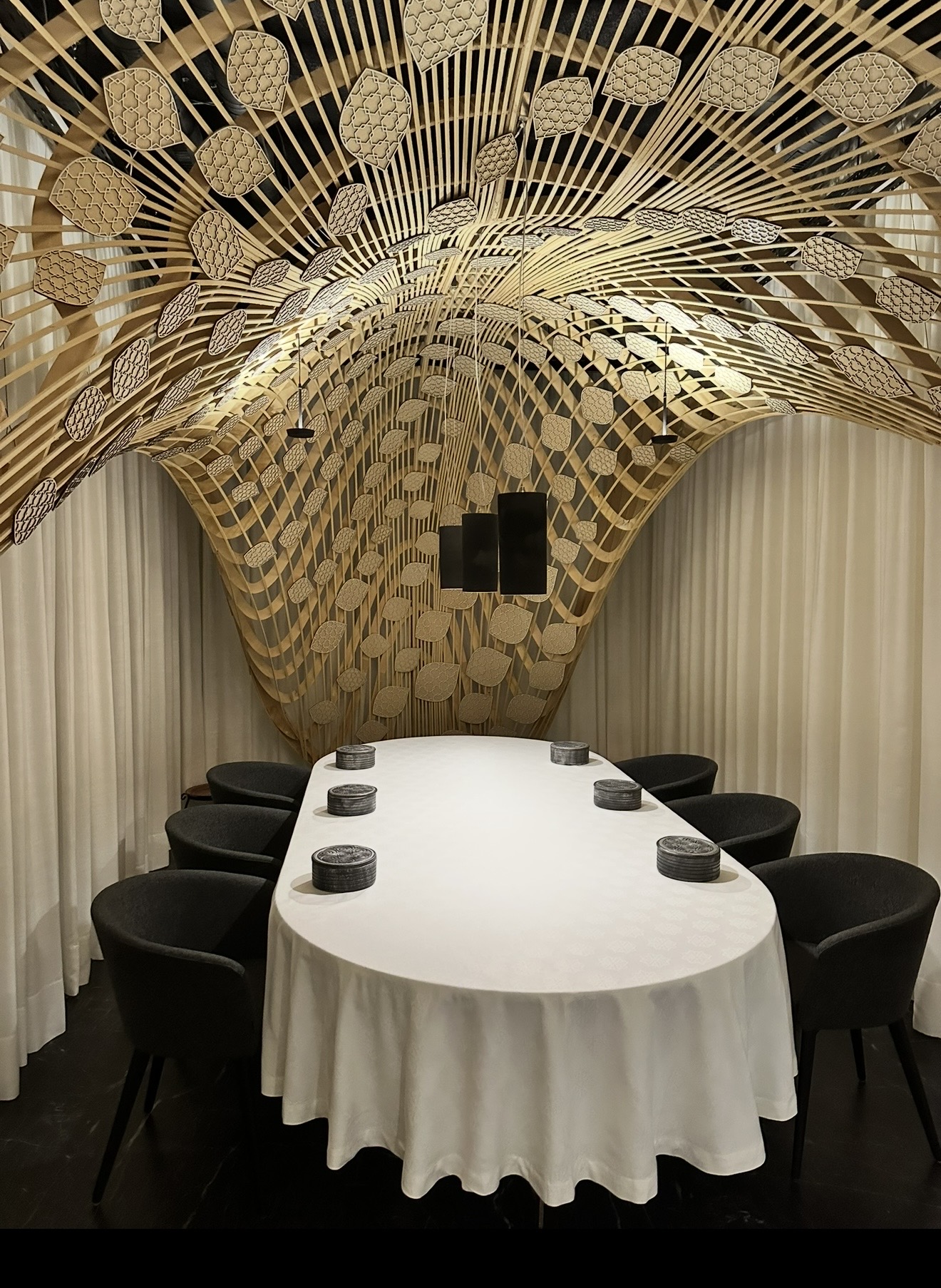
IntimateThe dining room is intimate and hushed, decorated with Islamic geometric motifs that echo the Mezquita just down the road—this is a temple to gastronomy, not a party. The atmosphere skews reverent and cerebral, with a small number of tables creating an almost private salon feeling where you're acutely aware of every flourish and presentation. Expect a three-hour journey that feels closer to attending a lecture-demonstration than a traditional dinner service.
Service
The brigade delivers polished, choreographed service that matches the kitchen's technical ambition—hands are ritually washed with jasmine water upon arrival, an ancient Andalusian custom that sets the tone. Staff are well-versed in the historical context of each dish and can guide you through the narrative arc of the menu, though the formality occasionally borders on stiffness. The sommelier deserves particular praise for pairing rare bottlings, especially local Montilla-Moriles, that enhance rather than compete with the bold, spice-forward flavors.
Setting
Located in Córdoba's modern Sureste district rather than the tourist-clogged historic center, the space feels deliberately removed from the crowds, a hidden guild where serious gastronomy happens. The interior is spare and elegant, with Moorish-inspired design elements—arches, intricate patterns, muted earth tones—that reference the Umayyad Caliphate without veering into theme-restaurant territory. The open kitchen dominates the room, turning the brigade's work into theater and reinforcing that you're witnessing craftsmanship, not just eating dinner.
These four dimensions are a handful of the attributes we review. The Insider Rating also draws on research the compass does not display — among them the wine programme, the size and quality of the cellar, the location, and how long the house has operated. It is not an average of the scores above.
Go for
- A historically informed, intellectually ambitious tasting menu unlike anything else in Spain
- Paco Morales' technical mastery honed at elBulli and Mugaritz applied to Andalusian culinary archaeology
- The rare opportunity to taste medieval Al-Andalus cuisine reimagined through a modernist lens
Don't go for
- Straightforward, comfort-driven dining—this is cerebral and conceptual, not immediately gratifying
- Consistency across every course; the bold flavors and historical constraints mean some dishes land better than others
Wine list
Noor458 winesPhotos
Shot by people who have eaten here.
Details
C. Pablo Ruiz Picasso, 8, Sureste, 14014 Córdoba, Spain
€€€€