Liholiho Yacht Club
San Francisco, United States · Lower Nob Hill
Insider Compass
An expert assessment built on data, context and gastronomic judgement.
RECOGNITIONS
About Liholiho Yacht Club
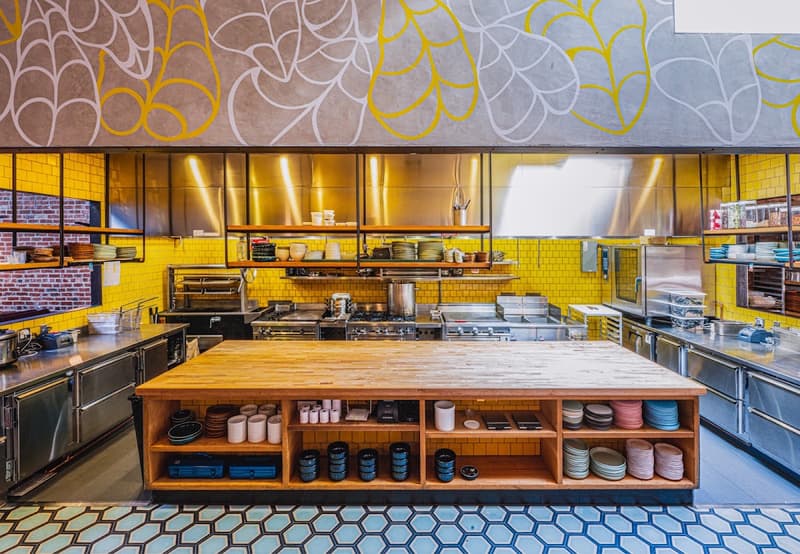
Ravi Kapur's Liholiho Yacht Club channels the chef's Hawaiian roots through a lens of California technique and pan-Pacific flavors, weaving together Japanese, Chinese, Korean, and Indian influences in dishes that are simultaneously playful and precise. The open kitchen, framed by electric yellow tile, sets the tone for an energetic dining experience where housemade spam and pork ribs share the stage with refined preparations like duck liver mousse and expertly handled fish. This is heritage-driven cooking with serious chops, earning Kapur a James Beard nomination and a devoted following that packs the dining room nightly. Come for the bold, layered flavors and the kind of generous, family-style sharing that turns dinner into a celebration.
Good to know
Book the tasting menu if dining with a group of four or more—it's a better value than ordering à la carte and ensures you hit the kitchen's strongest dishes without overthinking the order.
The chef
Ravi Kapur
Ravi Kapur spent eight years climbing the ranks from cook to sous chef to chef de cuisine before landing as Executive Chef and partner at Prospect Restaurant in 2010, where he earned 4.5 stars from The San Francisco Chronicle. His cooking draws directly from his Hawaiian upbringing and family's tradition of pop-up dinners on Maui, fusing those memories with the technical rigor of California fine dining and influences from Japanese, Chinese, Korean, and Indian kitchens. Kapur's approach is rooted in heritage and generosity—bold, layered flavors served family-style, quality sourcing treated with respect, and a belief that dinner should feel like a celebration rather than a lecture. His work has earned him recognition as one of Food & Wine Magazine's Best New Chefs in 2016 and a James Beard nomination for Best New Restaurant.
The Insider Compass
Four dimensions, each assessed independently against the same criteria everywhere we rate.
Plate
Kapur's cooking excels at umami-rich layering and precise technique—the beef tongue steam buns and spam fried rice showcase his ability to elevate comfort food through quality sourcing and skilled execution. Pork preparations consistently earn praise, from the pomegranate-glazed chop to the legendary pork ribs that balance char, fat, and acidity with confidence. The tasting menu demonstrates range and generosity, though some diners note the mains occasionally need more assertive seasoning to match the strength of the opening courses.
Vibe
BuzzingThe energy is high-octane and social, with an upbeat soundtrack and the theater of the open kitchen creating a lively, modern atmosphere that feels more like a celebration than a formal meal. The bar seating offers front-row access to the brigade at work, while tables fill with a mix of date-nighters and groups ready to share plates and stay late. Expect a buzzy, tropical-meets-urban environment that encourages conversation and lingers on the louder side when the dining room hits full capacity.
Service
The team runs with friendly professionalism and solid menu knowledge, guiding diners through the share-plate format with genuine enthusiasm and helpful pacing suggestions. Service is attentive without hovering, and the staff handles dietary restrictions and last-minute adjustments with grace. On peak nights, the energy can occasionally outpace the polish—tables sometimes feel rushed through courses, and parties of three may find themselves squeezed into less-than-ideal seating.
Setting
The electric yellow tile wrapping the open kitchen is the visual anchor of a space that balances modern design with tropical warmth, all polished concrete, bright pops of color, and an energy that reads upscale-casual. Located on Sutter Street in a neighborhood that straddles Nob Hill and the Tenderloin, the interior feels intentionally vibrant and accessible rather than precious. The bar area offers a more dynamic perch than standard table seating, putting you in direct conversation with the kitchen's rhythm and mise en place.
These four dimensions are a handful of the attributes we review. The Insider Rating also draws on research the compass does not display — among them the wine programme, the size and quality of the cellar, the location, and how long the house has operated. It is not an average of the scores above.
Go for
- Bold, heritage-driven Hawaiian cuisine filtered through California technique and pan-Pacific influences
- The lively, energetic atmosphere and open kitchen theater that makes dinner feel like an event
- Standout pork preparations, housemade spam, and a tasting menu that delivers serious value and variety
Don't go for
- A quiet, intimate dinner—the energy runs high and the dining room stays buzzy throughout service
- A narrow palate averse to adventurous flavor combinations and cross-cultural culinary mashups