La Grotte d'Auguste
Orange, France
Insider Compass
An expert assessment built on data, context and gastronomic judgement.
About La Grotte d'Auguste
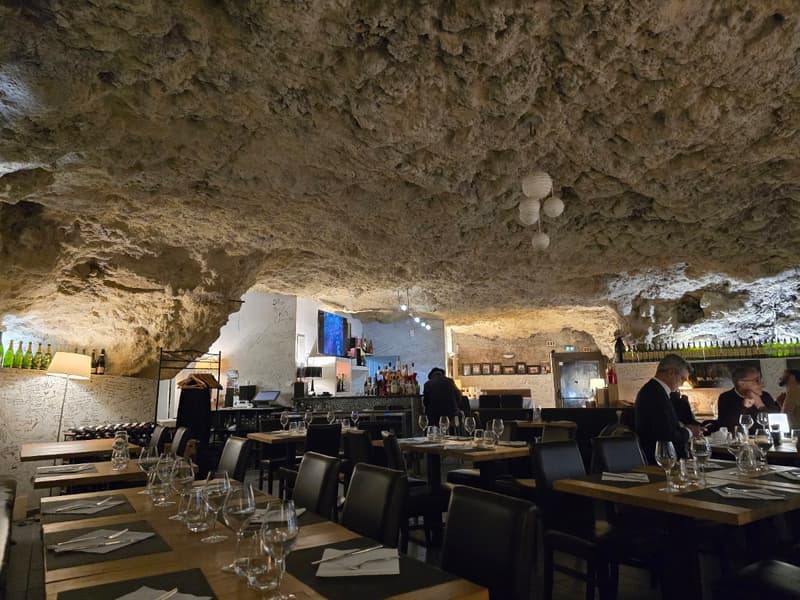
Carved into the Saint-Eutrope hill within the Ancient Theatre of Orange, La Grotte d'Auguste offers one of Provence's most singular dining experiences—traditional French cuisine served in a troglodytic cave with a terrace overlooking Roman ruins. Chef Eric Kormos delivers refined Provençal cooking rooted in seasonal, local products, with the kitchen earning a devoted following for dishes like ravioli with ricotta and truffle and perfectly executed fish preparations. The setting draws an eclectic mix of festival-goers during the Chorégies d'Orange, locals celebrating special occasions, and travelers seeking something beyond the ordinary bistro experience.
Good to know
Ask the patron for a tour of the cave after your meal—he's known for happily showing guests the full extent of the grotto, even areas not used for dining.
The chef
Eric Kormos
Eric Kormos leads the kitchen at La Grotte d'Auguste, continuing a tradition established when Norbert Tarayre—who would later become a well-known French television chef—worked in these same kitchens. Kormos focuses on classic Provençal technique with an emphasis on sourcing from local producers and respecting seasonal rhythms. His approach favors careful execution of traditional dishes over experimentation, building the restaurant's reputation on consistency and quality ingredients rather than reinvention.
The Insider Compass
Four dimensions, each assessed independently against the same criteria everywhere we rate.
Plate
The kitchen works within the terroir-driven traditions of Provençal cooking, with a focus on fresh, seasonal ingredients and careful technique. Regulars swear by the house-made ravioli with ricotta and truffle, the daurade royale, and the tender épaule d'agneau, while daily specials showcase what's best at market—though some guests note that proteins like pintade and pork tenderloin can occasionally emerge a touch dry during busier service.
Vibe
LivelyInside, the subdued lighting and ancient stone ceiling create an intimate, almost mystical ambiance that feels worlds away from typical Provençal dining rooms. The terrace offers a completely different energy—lively and sun-drenched—with direct views of the Roman theatre, particularly animated during festival season when artists and performers fill the tables.
Service
The team delivers warm, professional service with a distinct Southern hospitality, often going the extra mile with house tours or a complimentary digestif at meal's end. Servers are generally attentive and accommodating, though the welcome can feel uneven—some guests report enthusiastic greetings while others encounter a cooler reception, particularly during peak times.
Setting
The troglodytic interior is unlike anything else in Orange—carved stone walls, vaulted ceilings, and an atmospheric dampness that comes with dining inside a genuine cave built into a UNESCO World Heritage site. The terrace provides the alternative: open-air tables positioned directly beside the ancient theatre and temple vestiges, offering postcard views of two-thousand-year-old Roman architecture.
These four dimensions are a handful of the attributes we review. The Insider Rating also draws on research the compass does not display — among them the wine programme, the size and quality of the cellar, the location, and how long the house has operated. It is not an average of the scores above.
Go for
- An atmospheric setting literally carved into history, offering both cave dining and Roman theatre views
- Well-executed Provençal classics with standout pasta work and fresh fish preparations
- A memorable experience during the Chorégies d'Orange festival, when the terrace buzzes with performers and culture seekers
Don't go for
- Cutting-edge culinary innovation or avant-garde technique—this is traditional French cooking through and through
- A guaranteed warm welcome if you're arriving without a reservation or during peak festival periods