Insider Compass
An expert assessment built on data, context and gastronomic judgement.
About Koto Villa
Housed in a restored colonial-era French villa in Tây Hồ, Koto Villa stands as Vietnam's pioneering social enterprise in hospitality training, where disadvantaged youth learn the culinary trade under the guidance of Head Chef Phong Le Duc. The menu bridges Vietnamese and Western traditions with a particular strength in brunch service, executed by trainee chefs developing their skills in a real-world brigade. Meals here carry dual purpose—serious cooking that delivers on flavor and technique, while supporting a mission that's trained thousands of at-risk youth over two decades.
Good to know
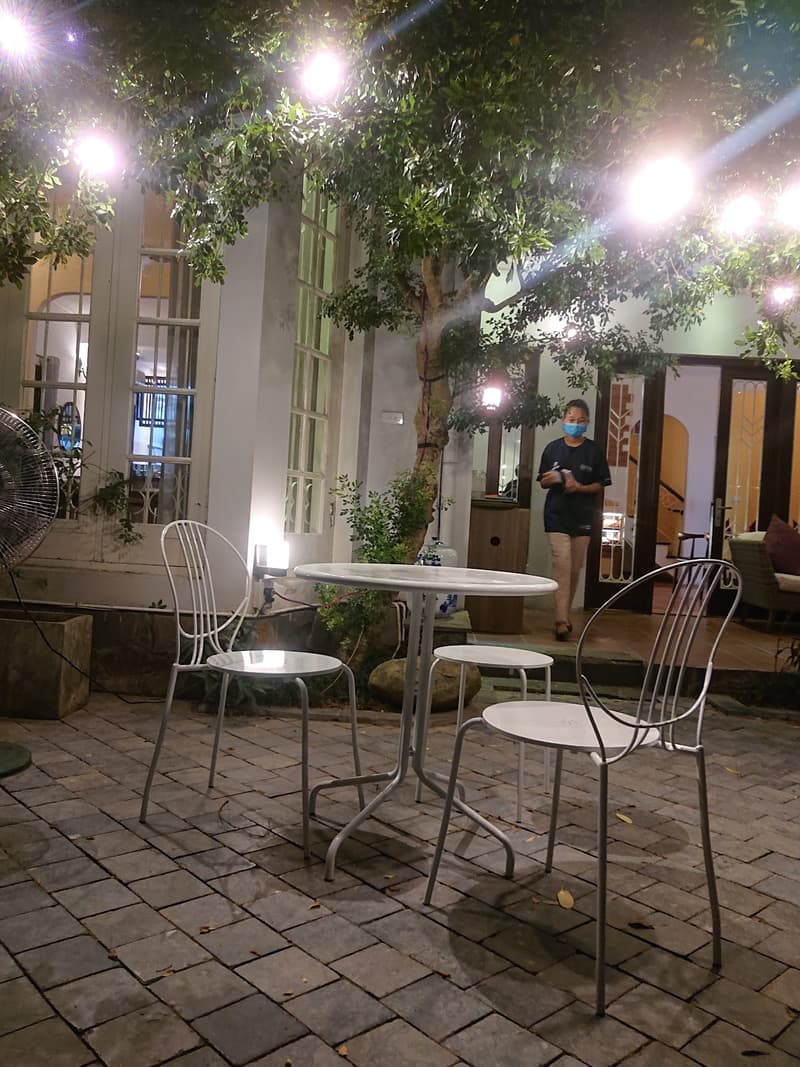
Book ahead for weekend brunch—the garden courtyard fills quickly, and securing a table outside makes the experience significantly more pleasant.
The chef
Phong Le Duc
Chef Phong Le Duc has spent over a decade with KOTO, rising through the organization to lead the kitchen brigade at Koto Villa while guiding successive generations of trainee chefs through professional hospitality training. His role extends beyond executive chef duties—he functions as mentor and teacher, translating years of hands-on experience into practical lessons for at-risk youth learning foundational technique and kitchen discipline. Phong's approach emphasizes clean execution of cross-cultural menus, building trainees' confidence through repetition and standards while adapting recipes to showcase both Vietnamese ingredients and Western service styles.
The Insider Compass
Four dimensions, each assessed independently against the same criteria everywhere we rate.
Plate
The kitchen turns out cross-cultural brunch and dinner menus with solid foundations in both Vietnamese classics and Western technique, from prawn cakes and tempura squid to properly executed fish and chips. Standouts include the coconut chicken and well-balanced set menus that showcase the trainees' growing command of mise en place and seasoning, though execution can vary as new cohorts rotate through. Ingredients arrive fresh, presentations come clean and thoughtful, and dishes like the mango mousse demonstrate genuine pastry skill in development.
Vibe
LivelyThe garden courtyard setting of this French villa creates a relaxed, brunch-friendly atmosphere that draws both expats and locals seeking a leisurely meal with purpose. Weekend mornings can fill quickly with a mix of families and social diners, while weeknight dinners often feel quieter and more intimate. The energy stays welcoming and unhurried, shaped by staff genuinely invested in the hospitality experience they're learning to craft.
Service
Service reflects the training mission at its core—staff approach tables with genuine warmth and attentiveness, asking permission before clearing plates and checking in frequently throughout the meal. English proficiency varies as trainees progress through the program, but effort and sincerity consistently shine through. Pacing can occasionally slow during peak hours as newer team members find their rhythm, but the willingness to help never wavers.
Setting
The colonial villa architecture provides natural charm with high ceilings, period details, and a garden courtyard that opens dining to greenery and natural light. Interior spaces balance the building's historic bones with contemporary comfort, creating versatile dining areas that work equally well for morning coffee or evening meals. The Tây Hồ location offers a quieter alternative to the Old Quarter hustle, with enough character to make the journey worthwhile.
These four dimensions are a handful of the attributes we review. The Insider Rating also draws on research the compass does not display — among them the wine programme, the size and quality of the cellar, the location, and how long the house has operated. It is not an average of the scores above.
Go for
- Supporting a genuine social enterprise while enjoying competent Vietnamese and Western cooking
- Leisurely weekend brunch in a colonial villa garden setting
- Watching hospitality training in action with staff who genuinely care about service
Don't go for
- Cutting-edge culinary innovation or chef-driven tasting experiences
- Quick casual dining when you're pressed for time