Insider Compass
An expert assessment built on data, context and gastronomic judgement.
RECOGNITIONS
About Kin Dee
Dalad Kambhu's contemporary Thai kitchen brought something rare to Berlin: authentic Thai technique filtered through Brandenburg terroir, where green curry might embrace locally foraged mushrooms instead of imported eggplant. Born from a successful pop-up and led by a mostly female brigade, Kin Dee earned recognition for its disciplined approach to balancing the fundamental Thai flavor profiles—sweet, sour, salty, spicy, bitter—while sourcing from nearby producers including Markthalle Neun. The restaurant's focus on sustainability, seasonal integrity, and challenging traditional kitchen hierarchies made it a distinctive voice in Berlin's fine dining landscape until its closure in July 2024.
Good to know
Order the signature Thai tea—it's an absolute must and shows the kitchen's attention to beverage details beyond the wine program.
The chef
Dalad Kambhu
Dalad Kambhu is a self-taught chef whose path to fine dining began in New York restaurants before training under her aunt in a Paris kitchen, where she absorbed classical technique alongside traditional Thai preparations. She launched Kin Dee as a pop-up before opening the brick-and-mortar location, quickly building a reputation for refusing to dilute authentic Thai flavors while championing local, sustainable sourcing from Brandenburg producers. Her philosophy centered on challenging traditional kitchen hierarchies—she led a predominantly female brigade and advocated publicly for diversity and sustainability in gastronomy. Kambhu closed Kin Dee in July 2024, citing stress and burnout.
The Insider Compass
Four dimensions, each assessed independently against the same criteria everywhere we rate.
Plate
Kambhu's cooking demonstrated deep understanding of regional Thai technique while resisting the impulse to compromise flavor for European palates—her green curry earned devoted followers for its layered complexity and proper heat level. The kitchen worked with local and seasonal ingredients without sacrificing authenticity, finding German equivalents that honored traditional preparations rather than diluting them. Dishes like beef curry and larb pork neck showed precision in balancing the fundamental flavor elements that define Thai cuisine.
Vibe
LivelyThe dining room maintained an intimate, boutique atmosphere where refinement felt approachable rather than precious. Window seating offered the most comfortable vantage point in a cozy space that prioritized warmth over formality. The energy leaned toward contemporary fine dining with Thai sensibility—thoughtful without stuffiness.
Service
The sommelier's wine pairings demonstrated thoughtful curation, particularly with the natural wine selection that complemented complex Thai spicing. Service showed genuine hospitality and clear explanations of each dish, though the brigade navigated some growing pains during busier periods. The team's knowledge of ingredients and preparations reflected the kitchen's commitment to transparency and ingredient sourcing.
Setting
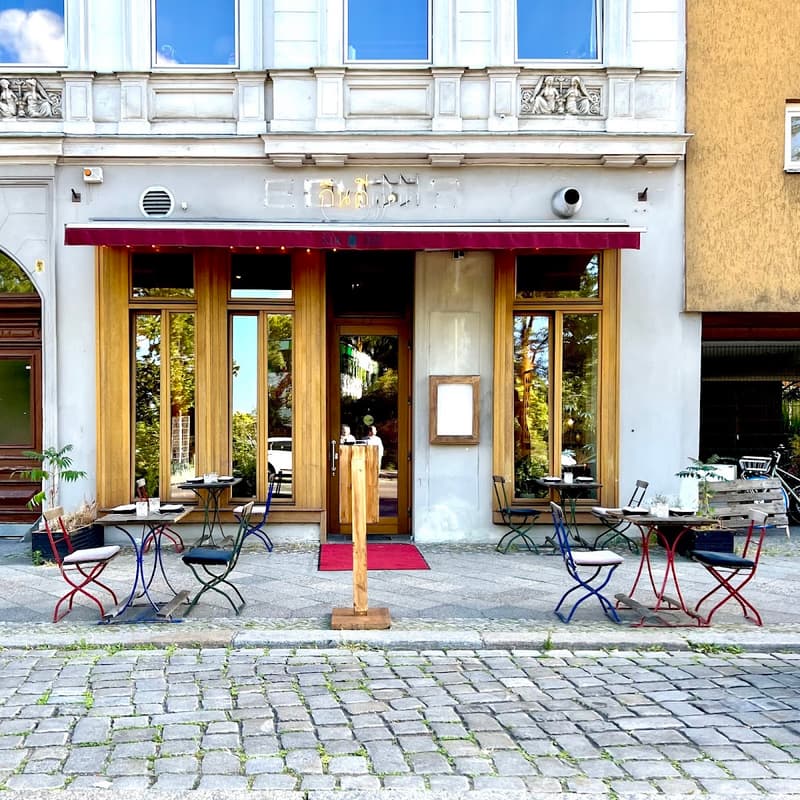
Located on Lützowstraße in Berlin's Tiergarten district, the restaurant occupied an unassuming storefront that let the food speak louder than the décor. The interior design favored understated comfort with window tables providing the most appealing positioning. The aesthetic matched Kambhu's philosophy—nothing flashy, everything intentional.
These four dimensions are a handful of the attributes we review. The Insider Rating also draws on research the compass does not display — among them the wine programme, the size and quality of the cellar, the location, and how long the house has operated. It is not an average of the scores above.
Go for
- Authentic Thai technique executed with local, seasonal German ingredients
- A rare example of Thai fine dining that doesn't compromise on traditional flavor balance
- Supporting a kitchen that prioritized sustainability, diversity, and challenging conventional restaurant hierarchies
Don't go for
- Mild, westernized Thai food with familiar staples like mango and papaya
- A bargain dinner—this is refined dining with pricing to match the technique and sourcing