Insider Compass
An expert assessment built on data, context and gastronomic judgement.
About Higashiya Ginza
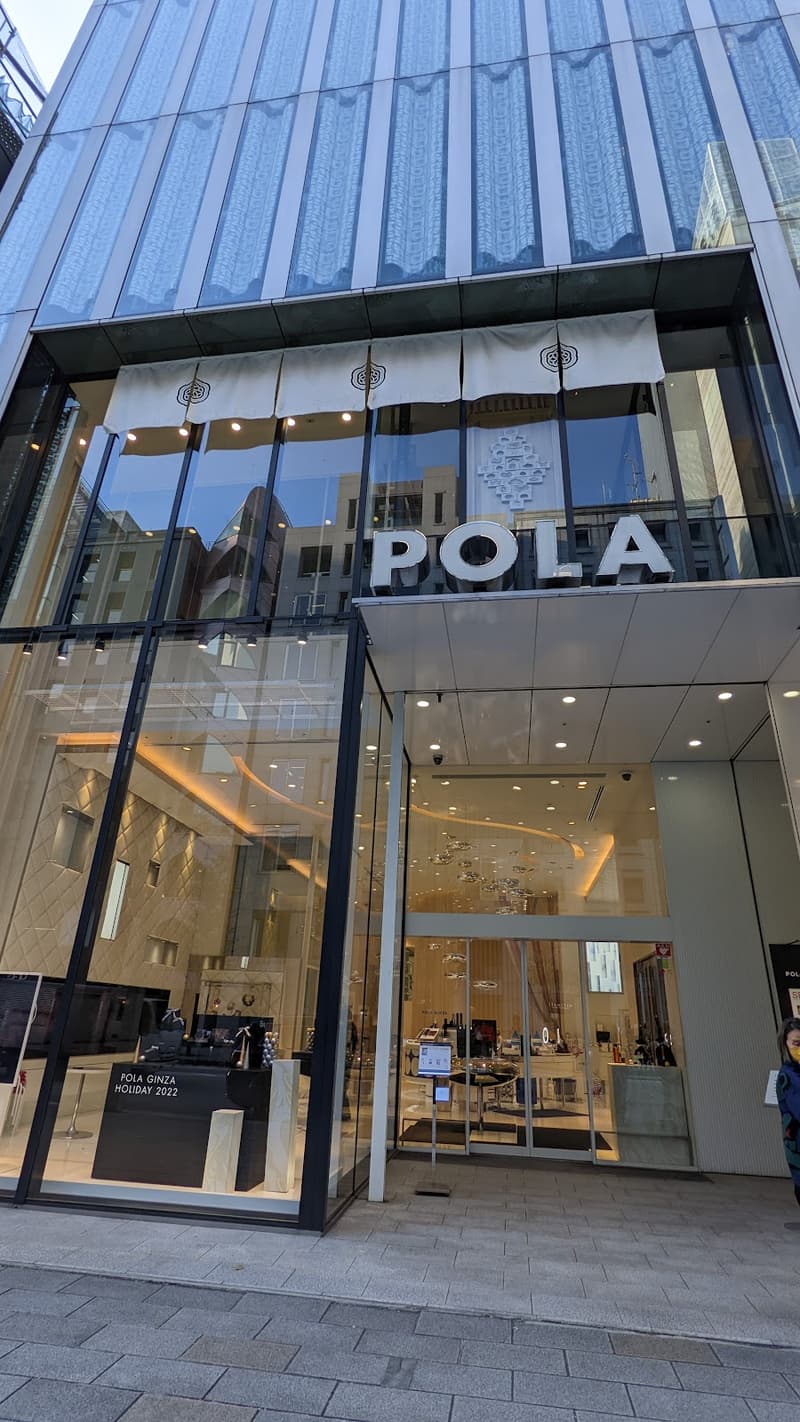
Tucked on the second floor of the Pola Building in Ginza, Higashiya is a modern Japanese tea salon that honors the deep traditions of wagashi and the centuries-old art of tea while offering a refined, contemporary lens. With over 30 types of Japanese teas—from delicate first-harvest shincha to earthy bancha and ceremonial-grade matcha—the focus here is on seasonality, balance, and the precise pairing of tea with traditional confections that look like edible art. This is a place for slowing down, for those seeking a meditative reprieve from Ginza's glittering commerce, and for anyone curious about the nuanced flavors that Japanese tea culture can offer when executed with care and reverence.
Good to know
Reserve ahead and ask for the tea and wagashi pairing menu—it's the best way to explore the full range of what Higashiya does well, and the staff will guide you through five carefully calibrated pairings.
The Insider Compass
Four dimensions, each assessed independently against the same criteria everywhere we rate.
Plate
The wagashi at Higashiya are seasonal masterworks, shaped to reflect nature's rhythms—ginger and honey white bean paste, citrus-laced persimmon, delicate jellies that shimmer with the light. The tea program is the real draw: each pour is calibrated with precision, and the staff presents the raw ingredients before brewing so you understand exactly what you're tasting. Savory small plates and set courses are available, though the heart of the experience is in the tea and sweets pairings, where umami, sweetness, and astringency play off each other in unexpected harmonies.
Vibe
IntimateThe atmosphere is quiet and meditative, a sanctuary from the bustle of Ginza's streets, with minimalist Japanese aesthetics that privilege wood, stone, and natural light. Expect a calm, almost ceremonial energy—this is not a place for loud conversation or hurried eating. The space draws a thoughtful crowd: locals seeking respite, travelers looking for an authentic tea experience, and those who appreciate design and ritual in equal measure.
Service
Service is meticulous and patient, with staff taking the time to explain each tea's provenance, brewing method, and flavor notes in careful detail, even for non-Japanese speakers. They handle dietary restrictions gracefully and are genuinely warm—more talkative and engaging than typical Tokyo formality might suggest. Reservations are respected, presentation is theatrical, and the team clearly takes pride in offering a full omotenashi experience.
Setting
The interior blends traditional Japanese restraint with modern refinement: clean lines, lacquered wood, ceramic vessels, and a front-of-house confectionery counter that doubles as a visual feast. Located within the Pola Building, the space feels hidden despite its Ginza address, elevated above the shopping fray. The design is deeply intentional, with every detail—from the plating to the teaware—reflecting a commitment to aesthetic harmony.
These four dimensions are a handful of the attributes we review. The Insider Rating also draws on research the compass does not display — among them the wine programme, the size and quality of the cellar, the location, and how long the house has operated. It is not an average of the scores above.
Go for
- An authentic, elevated Japanese tea ceremony experience in a modern context
- Exquisite seasonal wagashi that look and taste like works of art
- A quiet, meditative escape from Ginza's commercial energy with impeccable service
Don't go for
- A quick caffeine fix or casual drop-in—this is a slow, contemplative experience best enjoyed with time to spare
- Heavy or substantial meals—the focus is on tea, sweets, and light seasonal bites
Details
Japan, 〒104-0061 Tokyo, Chuo City, Ginza, 1-chōme−7−7 ポーラ銀座ビル 2階
$$