Insider Compass
An expert assessment built on data, context and gastronomic judgement.
RECOGNITIONS
About Den
Chef Zaiyu Hasegawa's two-Michelin-starred Den redefines what fine dining can feel like in Tokyo, offering creative kaiseki that's as playful as it is personal. The space feels more like an invitation into a friend's home than a formal restaurant, with Hasegawa-san himself setting the tone through his infectious energy and genuine warmth. Signature creations like the Dentucky Fried Chicken (a deboned wing stuffed with rice and vegetables) and the emoji carrot salad speak to the kitchen's philosophy: deeply rooted in Japanese tradition but unafraid to embrace humor and innovation. This is kaiseki for those who want precision without pretense, and it has earned Den a devoted following among those who know.
Good to know
Securing a reservation requires persistence—start calling exactly two months out, multiple times across several days, and be flexible with your dates. Once you're on the waitlist, confirm promptly if you receive a callback.
The chef
Zaiyu Hasegawa
Zaiyu Hasegawa honed his craft at Uotoku Kagurazaka and several other respected Tokyo establishments before opening Den in 2007, where his vision of making fine dining feel like home cooking took root. His approach is deeply personal, drawing from his own upbringing and the rhythms of Japanese domestic life, then elevating them through disciplined technique and seasonal sourcing. Hasegawa earned recognition early with the FOUR's Rising Star Awards for Asia & Australasia in 2014, and has since become one of Japan's most celebrated chefs. His philosophy centers on warmth, playfulness, and connection—he believes great food should spark joy and conversation, not intimidation, and he's built a kitchen and dining room that reflect that ethos at every turn.
The Insider Compass
Four dimensions, each assessed independently against the same criteria everywhere we rate.
Plate
Hasegawa's cooking centers on seasonal Japanese ingredients treated with respect and a sense of whimsy—his Dentucky Fried Chicken is now iconic, while the emoji carrot salad showcases over a dozen components in perfect harmony. The kaiseki format flows seamlessly from delicate sashimi to rich, umami-driven compositions, with each course balancing technical precision and approachability. The rice cooked in donabe is a masterclass in simplicity, arriving at the table with the kind of texture and aroma that makes you understand why Japanese home cooking remains the chef's north star.
Vibe
LivelyDen feels deliberately unpretentious, a rare quality for a restaurant of this caliber—guests genuinely relax here, encouraged by Hasegawa's down-to-earth demeanor and the staff's easy warmth. The atmosphere is intimate and convivial, often with the chef and his wife engaging diners directly, and yes, the restaurant dog makes cameo appearances near closing. It's lively without being loud, refined without being stiff, striking that elusive balance between world-class dining and the comfort of eating somewhere you belong.
Service
The brigade at Den delivers hospitality that feels genuinely personal, not scripted—staff remember preferences, anticipate needs, and engage in conversation that flows naturally rather than feeling transactional. Hasegawa-san and his wife are active presences throughout service, moving between tables with an ease that reinforces the homey ethos. Expect attentive, almost intuitive care, though the team's desire to ensure your comfort can occasionally veer into slightly intense territory (they'll insist you stay seated until they've cleared your path to the restroom).
Setting
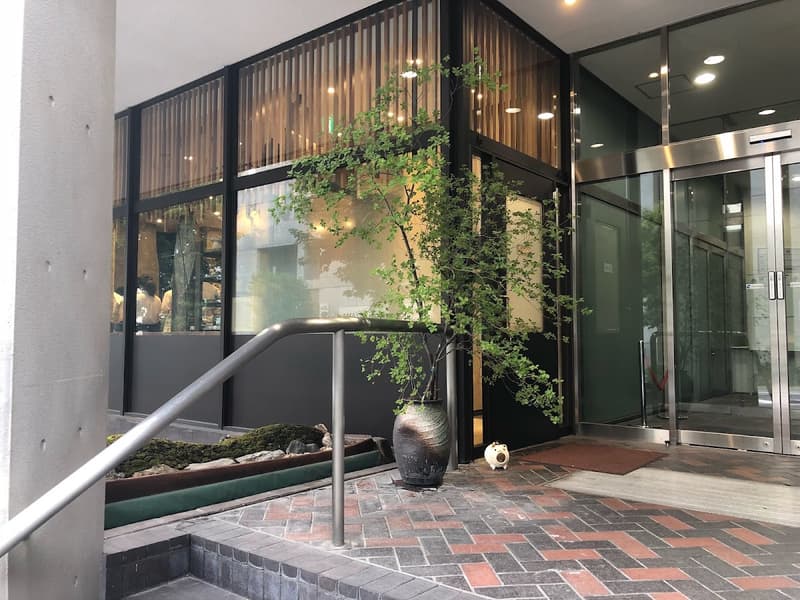
Located in Jingūmae, Den occupies the JIA Architect's Association building, with interiors that lean understated and residential rather than flashy. The space is compact and feels deliberately cozy, with warm wood tones and minimal design flourishes that keep the focus squarely on the food and people. It's the kind of room that could easily host a private dinner party, which is precisely the point—this is a setting that prioritizes human connection over Instagram moments.
These four dimensions are a handful of the attributes we review. The Insider Rating also draws on research the compass does not display — among them the wine programme, the size and quality of the cellar, the location, and how long the house has operated. It is not an average of the scores above.
Go for
- Kaiseki that breaks the mold without losing its soul
- A rare combination of Michelin-level precision and genuine, unforced hospitality
- Signature dishes like Dentucky Fried Chicken and emoji carrot salad that have earned cult status
Don't go for
- Traditional, formal kaiseki with strict ceremony and silence
- A quick meal—the experience unfolds over three hours and is meant to be savored
Details
Japan, 〒150-0001 Tokyo, Shibuya, Jingūmae, 2-chōme−3−18 建築家会館JIA館
$$$