Insider Compass
An expert assessment built on data, context and gastronomic judgement.
RECOGNITIONS
About Çiya Sofrası
Musa Dağdeviren's culinary anthropology project has become one of Istanbul's most celebrated dining destinations, rescuing forgotten Anatolian recipes from remote villages and bringing them to a daily-changing menu that reads like an edible atlas of Turkey. This is not polished fine dining—it's home-style regional cooking executed with scholarly precision and genuine soul, where dishes like firik pilavı (smoky green wheat) and isote mirisk (dock greens) reveal flavor profiles entirely new even to Turkish natives. The three interconnected venues in Kadıköy serve a passionate mix of locals, culinary pilgrims, and curious travelers who've heard whispers of what may be the most authentic expression of Turkey's diverse culinary heritage.
Good to know
Skip the menu entirely on your first visit—walk directly to the bain-marie display and ask the staff to guide you through three or four small portions of dishes you've never heard of.
The chef
Musa Dağdeviren
Musa Dağdeviren grew up in an agricultural family of farmers and bakers, learning traditional methods from his mother while developing parallel passions for philosophy, sociology, and social sciences. His career has been defined by tireless fieldwork—traveling to remote Anatolian villages to interview elders and document recipes on the verge of extinction, effectively functioning as both chef and culinary anthropologist. Since opening Çiya in 1998, he's built a living archive of Turkish regional cooking, with a rotating menu that draws from his research across diverse communities from the Black Sea to Mesopotamia. His approach is scholarly yet soulful, driven by a belief that preserving culinary heritage is a form of cultural activism, and his work has earned recognition from publications like The New Yorker and a featured episode on Chef's Table.
The Insider Compass
Four dimensions, each assessed independently against the same criteria everywhere we rate.
Plate
The cooking here is deeply researched and seasonally driven, with Dağdeviren's decades of recipe collection translating into dishes you won't find anywhere else in Istanbul. Technique is traditional and uncompromising—expect perfectly balanced spice layers, slow braises, and preparations that honor centuries-old methods, from the teleme dessert (a fascinating cheese-based sweet) to various regional kebaps that showcase different provincial styles. The bain-marie display at Sofrası lets you point and choose, making navigation easier when confronted with unfamiliar dishes like Mesopotamian truffles or baked celery root.
Vibe
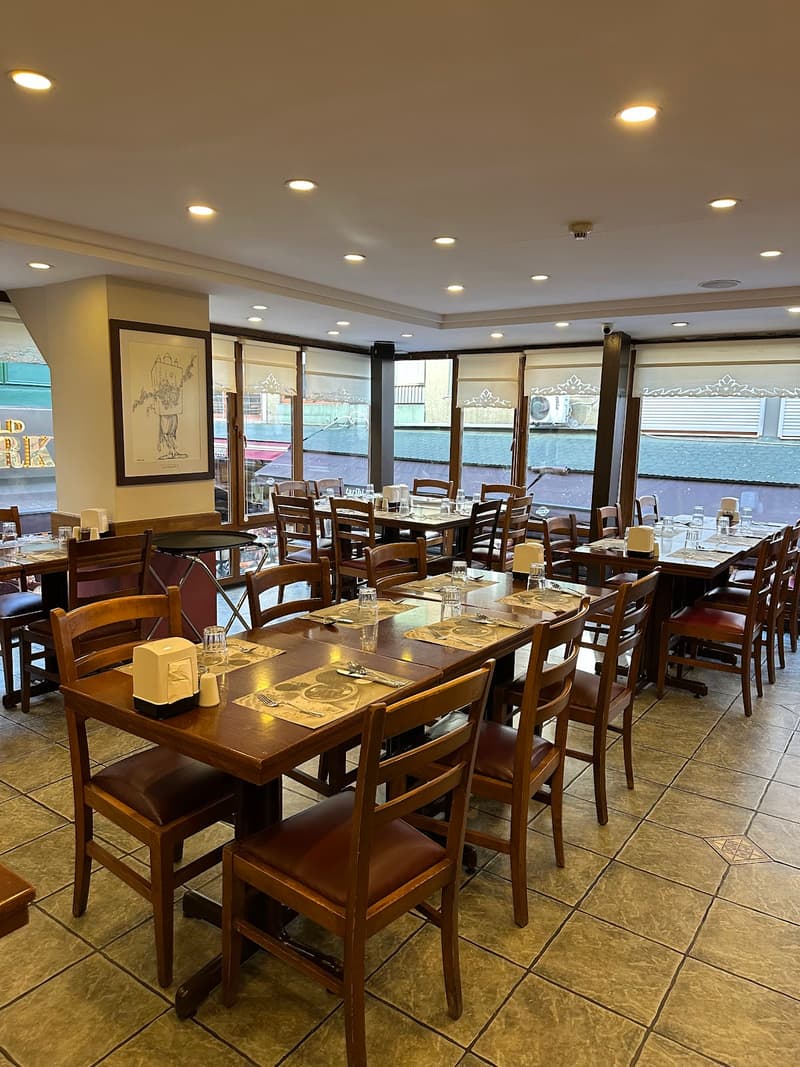
LivelyThe atmosphere is unpretentious and bustling, with the energy of a neighborhood canteen that happens to serve historically significant food. Expect close-set tables, brisk turnover, and a lively hum of conversation in multiple languages as regulars and first-timers alike navigate the offerings. The outdoor seating offers a more relaxed pace, particularly outside peak meal times when you can linger over the daily spread without feeling rushed.
Service
The brigade is knowledgeable and genuinely proud of the menu, with servers like Rahman and Hammit building reputations for walking guests through unfamiliar territory with patience and personal attention. Service style is warm and instructive rather than formal—staff will guide you toward dishes suited to your palate and explain preparations, though occasional inconsistency surfaces during peak crush. The chefs at the display counter are approachable and happy to describe what's in the pans, adding an educational layer to the experience.
Setting
The Kadıköy location is straightforward and functional, with simple wooden tables, tiled floors, and an emphasis on the food rather than elaborate décor. The open kitchen and bain-marie setup provide visual theater, letting you see the daily offerings steaming in copper pans before you commit. It's located on Güneşlibahçe Sokak in the Caferağa neighborhood, part of Kadıköy's vibrant food scene on the Asian side—a ferry ride away from Sultanahmet's tourist corridor.
These four dimensions are a handful of the attributes we review. The Insider Rating also draws on research the compass does not display — among them the wine programme, the size and quality of the cellar, the location, and how long the house has operated. It is not an average of the scores above.
Go for
- A culinary anthropology lesson disguised as lunch, with access to regional dishes that don't exist elsewhere in Istanbul
- The daily-changing menu that rewards repeat visits and seasonal exploration
- Genuine home-style Anatolian cooking executed by a chef who's spent decades researching forgotten recipes in remote villages
Don't go for
- Contemporary Turkish fusion or modernist presentations—this is traditional cooking with scholarly integrity
- A quiet romantic dinner for two, as the bustling canteen energy and close tables don't lend themselves to intimacy
Details
Caferağa, Güneşlibahçe Sok., 34710 Kadıköy/İstanbul, Türkiye
$$$