Insider Compass
An expert assessment built on data, context and gastronomic judgement.
RECOGNITIONS
About Butagumi
Housed in a charming traditional Japanese home in Nishiazabu, Butagumi has built a devoted following since 2005 for its encyclopedic approach to premium tonkatsu. Chef Satoshi Oishi—who cut his teeth in tonkatsu kitchens before a detour through French cuisine—returned to his roots with a vengeance, now offering an astonishing selection of over 50 pork varieties sourced from prized breeds across Japan and beyond. Recognized at #28 on the OAD rankings and widely regarded as serving some of Tokyo's finest cutlets, this is where pork obsession meets precision frying in an intimate, unhurried setting.
Good to know
Reservations are essential—walk-ins may face long waits or find popular cuts already sold out by dinner service.
The chef
Satoshi Oishi
Satoshi Oishi got his start in a traditional tonkatsu kitchen before pursuing formal training in French cuisine, an unusual path that taught him precision and technique beyond the typical katsu-ya repertoire. Rather than stay in European cooking, he returned to his tonkatsu roots with newly sharpened skills, opening Butagumi in 2005 with an obsessive focus on pork sourcing and provenance. His philosophy centers on letting exceptional raw materials speak through flawless execution—proper resting temperatures, exact frying times, and a deep respect for the farmers raising his fifty-plus pork varieties. The French discipline shows in his mise en place and consistency, while his tonkatsu soul drives the warm, unfussy hospitality.
The Insider Compass
Four dimensions, each assessed independently against the same criteria everywhere we rate.
Plate
The katsu itself is a study in contrasts: shatteringly crisp panko crust giving way to impossibly juicy, tender pork cooked to temperature with almost surgical precision. Each cut—from fatty sirloin to delicate tenderloin—expresses the particular terroir and breeding of its source farm, whether it's marbled Kurobuta or the leaner Nattoku-ton from Gifu. Don't overlook the marinated cherry tomato starter, a deceptively simple dish that sets the tone for the meticulous attention throughout.
Vibe
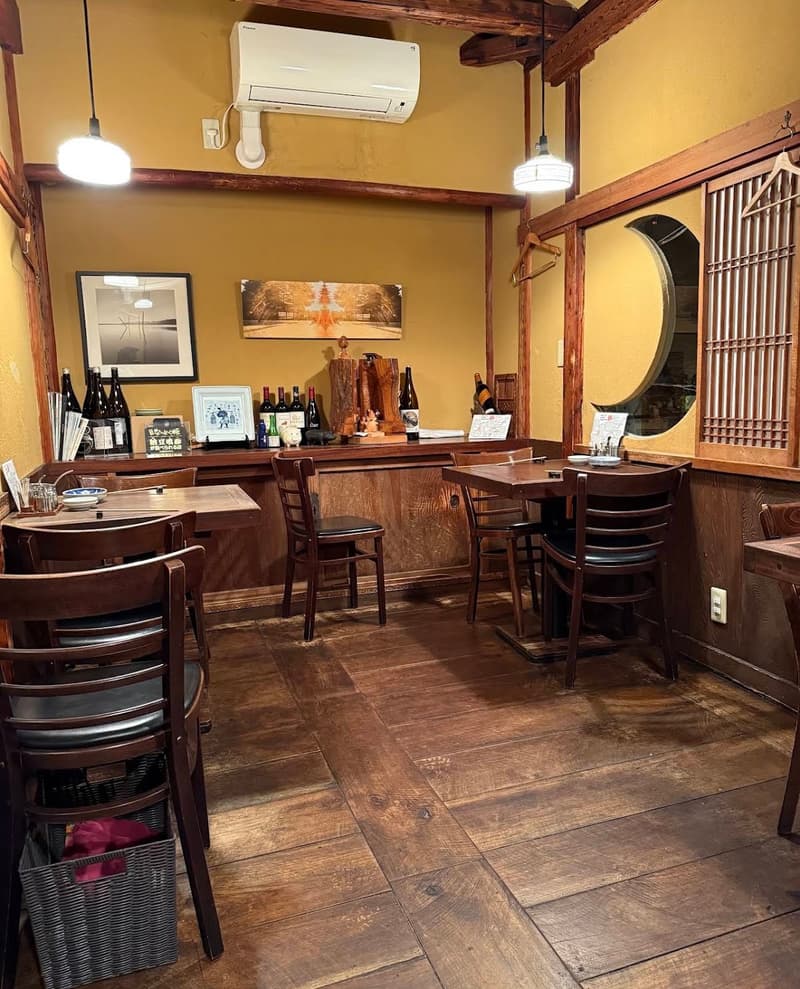
IntimateThe atmosphere leans cozy and contemplative rather than buzzy, with the elderly landlord warmly greeting guests as they enter the old wooden house. Soft jazz typically floats through the small dining rooms, creating an almost living-room intimacy that feels worlds away from Roppongi's glitz just outside. Upstairs seating offers a bit more privacy, though the whole space feels refreshingly unhurried and residential.
Service
The team strikes a lovely balance between knowledgeable guidance and gentle warmth, patiently explaining the intimidating menu of pork breeds and cuts to first-timers. Hospitality runs deep here—staff have been known to quietly assist clumsy diners with stain removal mid-meal without fuss. English menus with detailed pork variety descriptions ensure foreign guests can make informed choices about their cutlet adventure.
Setting
The traditional machiya-style house provides an atmospheric counterpoint to the neighborhood's modern high-rises, all weathered wood and intimate proportions. Multiple small dining areas spread across two floors create pockets of privacy, while retaining the lived-in charm of a genuine old Tokyo residence. It's the kind of setting that makes you forget you're in one of the city's most international districts.
These four dimensions are a handful of the attributes we review. The Insider Rating also draws on research the compass does not display — among them the wine programme, the size and quality of the cellar, the location, and how long the house has operated. It is not an average of the scores above.
Go for
- An encyclopedic exploration of premium pork breeds cooked to precise doneness
- The intimate, residential atmosphere of dining in a traditional Japanese home
- Some of Tokyo's most technically accomplished tonkatsu from a chef who mastered both French and Japanese techniques
Don't go for
- A quick casual meal—this is a destination that rewards unhurried appreciation
- Adventurous non-pork options or extensive wine pairing (the focus here is laser-sharp)
Details
2-chōme-24-9 Nishiazabu, Minato City, Tokyo 106-0031, Japan
$$$