Insider Compass
An expert assessment built on data, context and gastronomic judgement.
RECOGNITIONS
About Bricolage bread & co.
Bricolage Bread & Co. represents a rare convergence of Tokyo culinary talent: Shinobu Namae (L'Effervescence), pastry chef Ayumu Iwanaga (Le Sucré-Coeur), and Kenji Kojima of Fuglen coffee fame joined forces to create this artisanal French bakery with a distinctly Japanese sensibility. The focus here is sourdough made with locally milled Japanese flour, executed with French technique and an ingredient-driven philosophy that mirrors Namae's fine-dining approach. Nestled on the ground floor of Keyakizaka Terrace in Roppongi, it's become a neighborhood essential for locals seeking proper bread and a thoughtful café experience that bridges European tradition with Tokyo precision.
Good to know
Arrive before 11 AM for the best pastry selection and minimal wait times—popular items sell out, and weekend queues can stretch to 30-50 minutes by late morning.
The chef
Shinobu Namae
Shinobu Namae trained at a renowned Italian restaurant in Tokyo before stages at Michel Bras Toya Japon in Hokkaido and the legendary The Fat Duck under Heston Blumenthal in the UK, absorbing both French precision and modernist technique. He's best known as chef-patron of L'Effervescence, where his ingredient-driven, sustainable approach earned the Sustainable Restaurant Award at Asia's 50 Best Restaurants. His philosophy centers on terroir and respect for producers, working closely with Japanese farmers and foragers to showcase seasonal ingredients with minimal intervention—an ethos that translates at Bricolage into the use of local flour and a collaborative, craft-focused model. The Agency for Cultural Affairs Commissioner's Award recognized his broader contribution to Japanese gastronomy and culinary culture.
The Insider Compass
Four dimensions, each assessed independently against the same criteria everywhere we rate.
Plate
The sourdough is the anchor—proper fermentation, open crumb, and a crust that sings—used as the foundation for tartines like the honey avocado toast and shakshouka that regulars swear by. The croissants show genuine lamination technique, buttery and properly layered, while the almond croissant has earned a devoted following. Savory offerings like the jerk chicken bagel and pastrami sandwich demonstrate a café menu built on quality ingredients rather than shortcuts, though some find the execution more consistent than revelatory.
Vibe
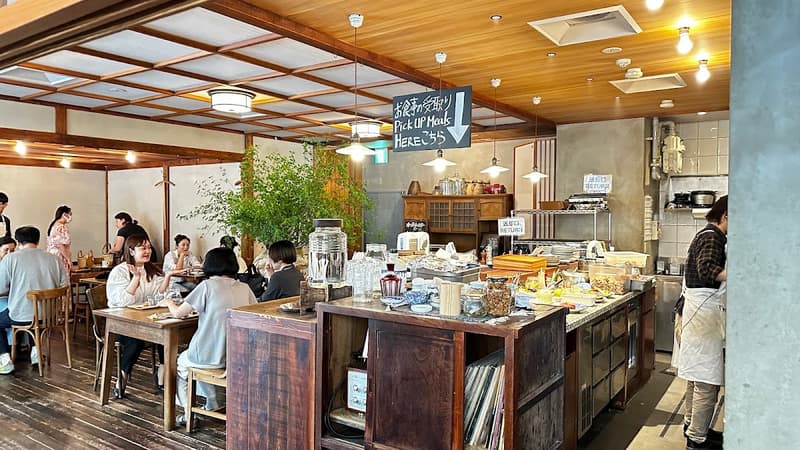
LivelyThe space carries a warm, European café atmosphere with both cozy indoor seating and a terrace that opens onto Keyakizaka, popular for leisurely breakfast and lunch service. Expect a neighborhood crowd—locals working on laptops, families on weekends, and Grand Hyatt guests who've discovered the spot—creating a relaxed, convivial energy. The popularity means queues are common, particularly weekends and lunch hours, so patience or strategic timing is essential.
Service
Service operates on a hybrid counter-order system that can feel slightly disjointed—there are separate registers for bakery items and hot meals, which requires navigation if you're mixing pastries with plated dishes. Staff are friendly and accommodating, with regulars noting they're recognized and greeted warmly, though the self-service model (collecting your own plates, busing your table) keeps things casual. The flow works better once you understand the system, but first-timers may find the setup less intuitive than traditional café service.
Setting
Keyakizaka Terrace provides an elevated, tree-lined setting that feels removed from Roppongi's typical bustle, with floor-to-ceiling windows and clean, minimalist interiors that let the bread and coffee take center stage. The terrace seating is the prize in pleasant weather, offering sidewalk views and natural light that make for an unhurried morning. Inside, the aesthetic is Scandinavian-leaning—blonde wood, simple lines, a visible bakery counter—reflecting Kojima's Fuglen design sensibility.
These four dimensions are a handful of the attributes we review. The Insider Rating also draws on research the compass does not display — among them the wine programme, the size and quality of the cellar, the location, and how long the house has operated. It is not an average of the scores above.
Go for
- Exceptional sourdough and French pastries executed with Japanese precision and local flour
- A collaboration between three respected Tokyo culinary figures creating something greater than the sum
- Casual terrace seating in Roppongi that feels more neighborhood café than tourist trap
Don't go for
- Quick grab-and-go service—the queue and counter system require patience and navigation
- A quiet, intimate café experience—popularity means consistent crowds and a lively, sometimes chaotic atmosphere
Details
Japan, 〒106-0032 Tokyo, Minato City, Roppongi, 6-chōme−15−1 けやき坂テラス 1F
$$