Insider Compass
An expert assessment built on data, context and gastronomic judgement.
About Baratti & Milano
Step through the doors of Baratti & Milano and you're entering a living piece of Turin's history—founded in 1858, this opulent café-confectionery has been the city's most elegant meeting place for over a century and a half. Once the official supplier to the Royal House of Savoy, the establishment remains a temple to Piedmontese chocolate artistry and classic café culture, where gilded mirrors, frescoed ceilings, and Belle Époque splendor frame every cappuccino and cremino. It's where locals celebrate special occasions and visitors come to understand why Turin earned its reputation as Italy's chocolate capital.
Good to know
Reserve ahead for weekend visits—the dining room fills quickly with both locals and visitors, and walk-ins often face extended waits that can stretch beyond thirty minutes during peak hours.
The chef
Ugo Alciati
Ugo Alciati brings a deep understanding of Piedmontese tradition to Baratti & Milano, having trained at the esteemed Da Guido restaurant within the Fontanafredda estate in Serralunga d'Alba, where respect for regional ingredients and classical technique form the foundation of the kitchen. Working alongside the Alciati family, who manage both the culinary direction and wine selection, he approaches the café's offerings with the same precision typically reserved for fine dining—honoring centuries-old chocolate recipes while maintaining the exacting standards that once earned this establishment its role as supplier to the Royal House of Savoy. His philosophy centers on preservation of tradition rather than innovation, ensuring that each cremino, gianduiotto, and pastry tastes as it would have when the café first opened its doors.
The Insider Compass
Four dimensions, each assessed independently against the same criteria everywhere we rate.
Plate
Under the guidance of the Alciati family, the kitchen focuses on Piedmontese confectionery traditions executed with exacting precision—the signature gianduiotto and cremino chocolates are textbook examples of the region's cocoa craft, while the bicerin (Turin's iconic layered coffee-chocolate-cream drink) is served as it has been for generations. The hot chocolate here is thick, intense, and closer to molten ganache than cocoa, and the pastries honor old-world technique with proper lamination and balanced sweetness. Ugo Alciati, trained at Da Guido restaurant in Serralunga d'Alba, brings a respect for terroir and tradition that extends beyond the savory kitchen into the realm of sweets.
Vibe
LivelyThe atmosphere is grand yet intimate, with the weight of history palpable in every gilded detail and crystal chandelier—this is a place where intellectuals, artists, and nobility once gathered, and that legacy still shapes the room's elegant energy. Expect a hushed reverence during morning coffee hours that gives way to a livelier buzz at aperitivo time, when locals settle in with vermouth and the space fills with animated conversation. The Belle Époque interiors demand a certain comportment; this isn't a grab-and-go café but a destination where you sit, linger, and let time slow down.
Service
Service operates in the old-guard Italian style—formal, proper, and sometimes stretched thin during peak hours when the dining room fills to capacity. The staff are knowledgeable about the chocolate production and house specialties, though the pace can lag when the café is busy, requiring patience from those accustomed to quicker turnover. Reservations are respected and rewarded with smoother service; walk-ins may face waits, especially on weekends when both tourists and Torinese converge on this storied address.
Setting
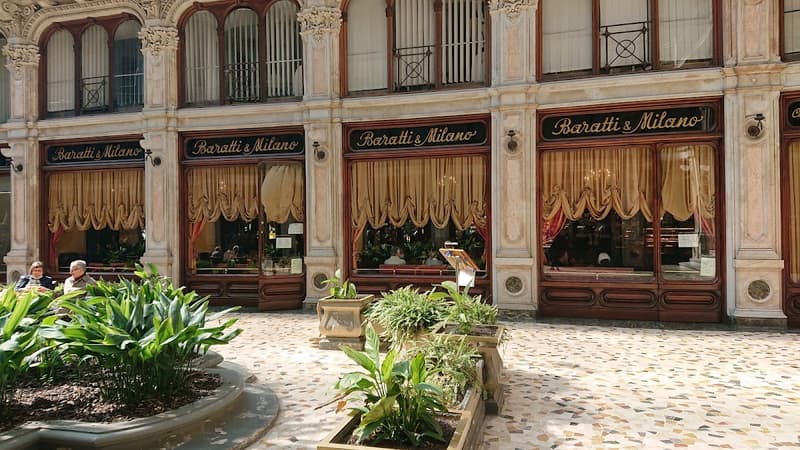
The gilded salons of Baratti & Milano are a masterclass in 19th-century opulence—think frescoed ceilings, ornate woodwork, antique mirrors, and marble-topped tables that transport you straight into the drawing rooms of the Savoy court. Located directly on Piazza Castello, the café occupies prime real estate in Turin's historic center, tucked within an elegant galleria that feels like a secret passageway to another era. Every surface gleams with Belle Époque splendor, from the original display cases showcasing house chocolates to the chandeliers that cast a warm, amber glow across white tablecloths and polished silver.
These four dimensions are a handful of the attributes we review. The Insider Rating also draws on research the compass does not display — among them the wine programme, the size and quality of the cellar, the location, and how long the house has operated. It is not an average of the scores above.
Go for
- Experiencing Turin's most elegant historic café in all its Belle Époque glory
- Tasting authentic Piedmontese chocolate craftsmanship and traditional bicerin
- Soaking in old-world café culture where intellectuals and artists once gathered
Don't go for
- Quick, casual coffee on the run—this is a sit-down experience that demands time
- Budget-conscious visits—prices reflect the historic setting and artisanal quality
Details
P.za Castello, 29, 10123 Torino TO, Italy
$$$